





Hey there, fellow art enthusiasts! As a supplier of painting pigments, I often get asked if there are any pigments that are fluorescent. Well, the answer is a resounding yes! In this blog post, I'm going to dive into the world of fluorescent painting pigments, exploring what they are, how they work, and where you can use them.
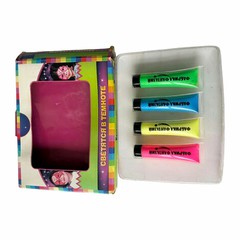
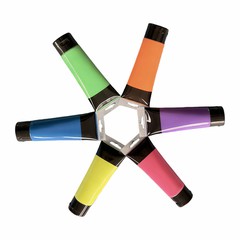
First things first, let's talk about what fluorescent pigments are. Fluorescent pigments are special types of pigments that absorb light at a certain wavelength and then re - emit it at a longer wavelength, creating a bright, vivid color that seems to glow. Unlike regular pigments, which simply reflect light, fluorescent pigments actually convert some of the absorbed light energy into visible light, making them stand out.


One of the most common uses of fluorescent pigments is in art and crafts. They can add a pop of color to paintings, sculptures, and other creative projects. For example, if you're working on a mural or a piece of street art, fluorescent pigments can make your work really stand out, even in low - light conditions. You can also use them in fabric painting. Check out Paint To Use On Fabric for more information on using pigments on fabric.
Fluorescent pigments work because of a process called fluorescence. When light hits a fluorescent pigment, the pigment's molecules absorb the energy from the light. The electrons in the pigment's molecules get excited and jump to a higher energy level. Then, as the electrons return to their original energy level, they release the energy in the form of light. This emitted light is what gives fluorescent pigments their characteristic glow.
There are different types of fluorescent pigments available in the market. Some are water - based, which are great for beginners and for projects where you want to be able to easily clean up. Water - based fluorescent pigments are also often more environmentally friendly. On the other hand, there are solvent - based fluorescent pigments. These are more durable and can be used for projects that require a long - lasting finish, like outdoor signage.
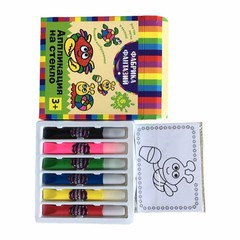
Another area where fluorescent pigments are commonly used is in glass painting. Glass Painting Paints that contain fluorescent pigments can create some really stunning effects. When light shines through the glass, the fluorescent colors come to life, creating a beautiful, otherworldly look.
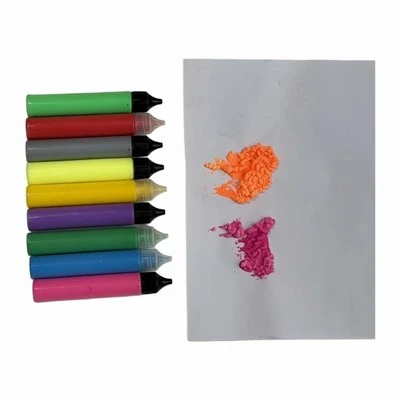
If you're into more tactile and three - dimensional art, you might want to try 3D Puff Paint. Fluorescent 3D puff paint can add a fun and unique element to your projects. You can use it to create raised, glowing designs on various surfaces, such as paper, fabric, or even wood.
When it comes to safety, it's important to handle fluorescent pigments with care. Some pigments may contain chemicals that can be harmful if inhaled or ingested. Always make sure to work in a well - ventilated area and wear appropriate protective gear, like gloves and a mask.
Now, let's talk about how to use fluorescent pigments. If you're using them for painting, you can mix them with a binder, such as acrylic medium or water, depending on the type of pigment. You can then apply the pigment mixture to your chosen surface using a brush, a sponge, or even an airbrush.
In terms of storage, fluorescent pigments should be kept in a cool, dry place away from direct sunlight. Exposure to sunlight can cause the pigments to fade over time.
As a painting pigments supplier, I've seen firsthand the amazing things that artists can create with fluorescent pigments. Whether you're a professional artist looking to add some extra flair to your work or a hobbyist just starting out, fluorescent pigments can open up a whole new world of creative possibilities.
If you're interested in purchasing fluorescent painting pigments or have any questions about our products, feel free to reach out. We're here to help you find the right pigments for your projects. Whether you need a small amount for a personal art piece or a large quantity for a commercial project, we've got you covered.
Let's work together to bring your artistic visions to life with the vibrant world of fluorescent painting pigments. Don't hesitate to contact us to start the conversation about your pigment needs.
References
- Pigment Handbook: This comprehensive handbook provides in - depth information about different types of pigments, including fluorescent ones.
- Art and Craft Magazines: Various art and craft magazines often feature articles on the use of fluorescent pigments in different projects.