




Can advertising paint be used on glass?
As a supplier of advertising paint, I often receive questions from customers about the versatility of our products. One of the most common queries is whether advertising paint can be used on glass. In this blog post, I'll explore this topic in detail, discussing the feasibility, benefits, and challenges of using advertising paint on glass surfaces.
Feasibility of Using Advertising Paint on Glass
The short answer is yes, advertising paint can be used on glass. However, it's important to understand that not all advertising paints are created equal, and some are better suited for glass surfaces than others. Most advertising paints are formulated to adhere to a variety of surfaces, including glass, but the key lies in choosing the right type of paint for the job.
Acrylic-based advertising paints are a popular choice for glass applications. They offer excellent adhesion, durability, and color vibrancy. Acrylics dry quickly, which means you can apply multiple coats in a relatively short period. They are also water-resistant once dry, making them suitable for both indoor and outdoor glass surfaces.
Benefits of Using Advertising Paint on Glass
There are several benefits to using advertising paint on glass. Firstly, glass provides a smooth and non-porous surface, which allows the paint to spread evenly and create a professional-looking finish. This makes it ideal for creating eye-catching advertisements, signage, or decorative elements.
Secondly, the transparency of glass can add an extra dimension to your designs. You can create layered effects, where the paint interacts with the light passing through the glass, creating a unique visual experience. This is particularly effective for creating illuminated signs or displays.
Another advantage is the ease of cleaning. Glass is easy to wipe clean, and advertising paint that has been properly applied can withstand regular cleaning without losing its color or integrity. This makes it a practical choice for commercial and public spaces where hygiene is important.
Challenges of Using Advertising Paint on Glass
While there are many benefits to using advertising paint on glass, there are also some challenges that you need to be aware of. One of the main challenges is achieving a strong bond between the paint and the glass surface. Glass is a smooth and non-porous material, which can make it difficult for the paint to adhere properly. To overcome this, it's important to prepare the glass surface before painting. This can involve cleaning the glass thoroughly with a glass cleaner to remove any dirt, grease, or fingerprints. You may also want to use a primer specifically designed for glass surfaces to improve adhesion.
Another challenge is the potential for the paint to crack or peel over time. This can happen if the paint is not applied correctly or if the glass is exposed to extreme temperatures or environmental conditions. To minimize the risk of cracking or peeling, it's important to follow the manufacturer's instructions carefully when applying the paint. You may also want to consider using a topcoat or sealer to protect the paint and extend its lifespan.
Tips for Using Advertising Paint on Glass
If you're planning to use advertising paint on glass, here are some tips to help you achieve the best results:


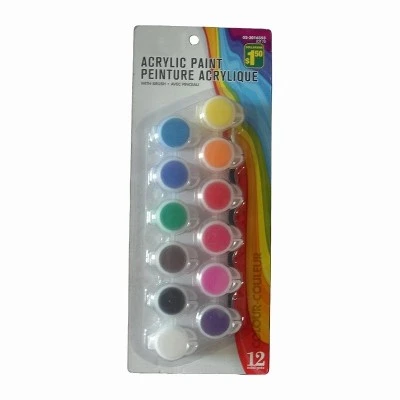
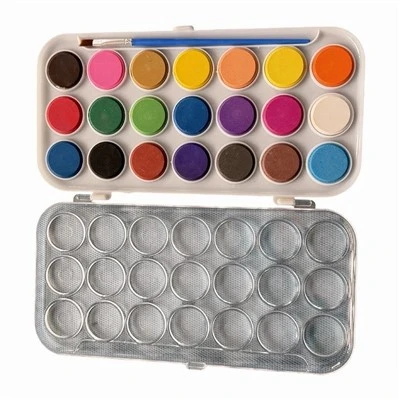
- Choose the right paint: As mentioned earlier, acrylic-based advertising paints are a good choice for glass surfaces. Look for paints that are specifically formulated for use on glass or non-porous surfaces. You can find a wide range of colors and finishes to suit your needs, including our 21-color Watercolor Paints and 12-color Acrylic Paints.
- Prepare the glass surface: Clean the glass thoroughly with a glass cleaner to remove any dirt, grease, or fingerprints. You may also want to use a primer specifically designed for glass surfaces to improve adhesion.
- Apply the paint in thin layers: Applying the paint in thin layers will help to ensure a smooth and even finish. Allow each layer to dry completely before applying the next one.
- Use the right tools: Use a high-quality brush or roller to apply the paint. Make sure the brush or roller is clean and free of any debris.
- Protect the paint: Once the paint has dried, you may want to apply a topcoat or sealer to protect the paint and extend its lifespan. This will help to prevent the paint from cracking or peeling over time.
Conclusion
In conclusion, advertising paint can be used on glass, but it's important to choose the right type of paint and follow the proper application techniques. By using acrylic-based advertising paints, preparing the glass surface, and applying the paint in thin layers, you can achieve a professional-looking finish that will last for years.
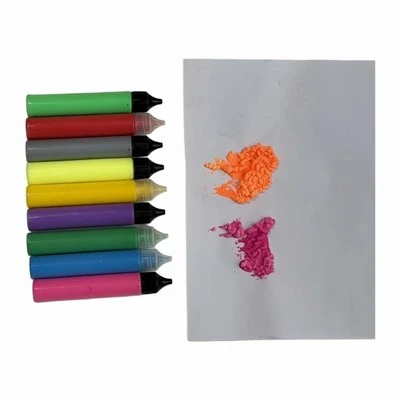
If you're interested in purchasing advertising paint for your glass projects, we offer a wide range of high-quality products at competitive prices. Our Advertising Paint is specifically formulated for use on a variety of surfaces, including glass, and is available in a range of colors and finishes.
If you have any questions or would like to discuss your specific needs, please don't hesitate to contact us. We're here to help you find the right solution for your advertising and decorative projects.
References
- "Acrylic Paints: A Guide to Their Properties and Uses." Artincontext.org.
- "How to Paint on Glass: Tips and Techniques." DIY Network.