





As a supplier of acrylic watercolor paints, I often receive inquiries from customers about the versatility of our products. One question that comes up quite frequently is, "Can I use acrylic watercolor paints on leather?" In this blog post, I'll delve into this topic, exploring the feasibility, techniques, and considerations when using our acrylic watercolor paints on leather.
Understanding Acrylic Watercolor Paints
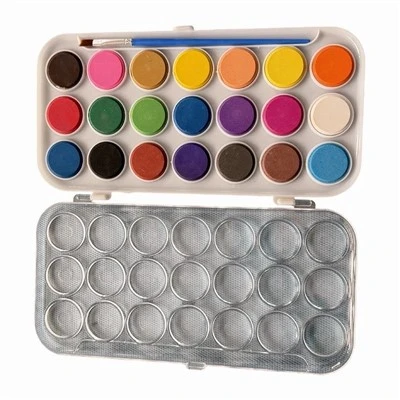
Acrylic watercolor paints are a unique blend of acrylic and watercolor properties. They offer the vibrancy and quick - drying nature of acrylics, along with the translucency and fluidity of watercolors. Our paints are formulated to provide rich, long - lasting colors that adhere well to various surfaces.


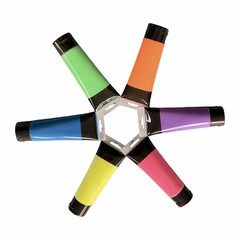
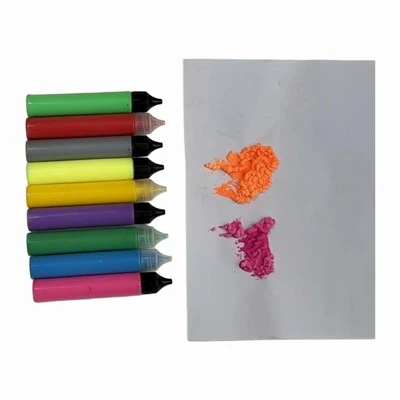
The Digital Painting Pigments available on our website Digital Painting Pigments are a prime example of our high - quality acrylic watercolor offerings. These pigments are designed to create vivid and detailed digital - like paintings, but their potential extends far beyond digital applications.
Can Acrylic Watercolor Paints Be Used on Leather?
The short answer is yes, you can use acrylic watercolor paints on leather. However, there are several factors to consider before you start your project.
Surface Preparation
Leather has a unique texture and finish, and proper surface preparation is crucial for the paint to adhere effectively. First, clean the leather thoroughly to remove any dirt, grease, or oils. You can use a mild leather cleaner and a soft cloth to gently wipe the surface. After cleaning, let the leather dry completely.
Once dry, you may want to lightly sand the leather with fine - grit sandpaper. This helps to create a rough surface for the paint to grip onto. Be careful not to sand too hard, as you don't want to damage the leather.
Compatibility
Not all leathers are the same. Some leathers, such as suede, have a porous surface that may absorb the paint more readily, while others, like patent leather, have a smooth, non - porous surface that can be more challenging for the paint to adhere to.
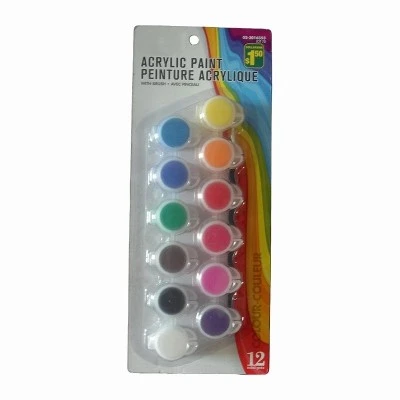
Our 12 - color Acrylic Paints 12 - color Acrylic Paints are formulated to work well on a variety of surfaces, including leather. However, it's always a good idea to test the paint on a small, inconspicuous area of the leather first to ensure compatibility and to see how the color looks.
Color and Finish
Acrylic watercolor paints offer a wide range of colors, allowing you to create unique and personalized designs on leather. You can mix different colors to achieve custom shades.
When it comes to the finish, you can choose between a matte or glossy look. If you prefer a more natural, subdued look, a matte finish might be ideal. On the other hand, a glossy finish can give the leather a more polished and eye - catching appearance.
Techniques for Painting Leather with Acrylic Watercolor Paints
Brushing
Brushing is one of the most common techniques for applying acrylic watercolor paints to leather. Use a high - quality brush with soft bristles. Dip the brush into the paint and apply it in smooth, even strokes. Start with a thin layer of paint and let it dry before applying additional layers. This helps to build up the color and prevent the paint from cracking or peeling.
Spraying
Spraying is another option, especially for larger areas or for creating a more even distribution of color. You can use an airbrush or a spray bottle to apply the paint. Make sure to hold the sprayer at a consistent distance from the leather to ensure an even application.
Finger Painting
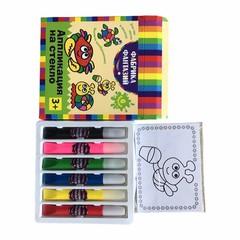
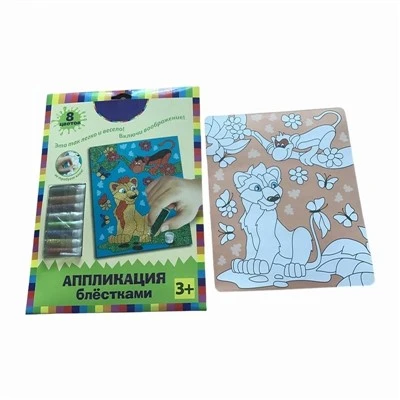
Our Finger Painting Paints Finger Painting Paints can also be used on leather for a more tactile and creative approach. Finger painting allows you to create unique textures and patterns on the leather surface. Simply dip your fingers into the paint and apply it directly to the leather.
Curing and Sealing
After painting the leather, it's important to allow the paint to cure properly. This usually takes a few days, depending on the thickness of the paint layers and the environmental conditions.
Once the paint is fully cured, you can seal it to protect the design and make it more durable. There are various leather sealants available on the market. Choose a sealant that is compatible with both the leather and the acrylic watercolor paint. Apply the sealant according to the manufacturer's instructions.
Advantages of Using Acrylic Watercolor Paints on Leather
- Vibrant Colors: Our acrylic watercolor paints offer a wide range of bright and vivid colors, allowing you to create eye - catching designs on leather.
- Quick Drying: Unlike traditional watercolors, acrylic watercolor paints dry relatively quickly, which means you can complete your project in less time.
- Durability: Once the paint is cured and sealed, it can withstand normal wear and tear, making it suitable for leather items that are used regularly.
Potential Challenges
- Adhesion: As mentioned earlier, getting the paint to adhere properly to leather can be a challenge, especially on smooth or treated leathers. Proper surface preparation is key to overcoming this issue.
- Cracking: If the paint is applied too thickly or if the leather is bent or stretched, the paint may crack. To prevent this, apply thin layers of paint and handle the leather carefully during the drying and curing process.
Conclusion
In conclusion, using acrylic watercolor paints on leather is not only possible but can also result in beautiful and unique creations. Whether you're looking to customize a leather bag, a wallet, or a piece of furniture, our acrylic watercolor paints offer a versatile and creative solution.
If you're interested in purchasing our acrylic watercolor paints for your leather projects, we invite you to explore our product range on our website. We're always happy to assist you with any questions you may have and to help you choose the right products for your needs. Contact us to start a procurement discussion and bring your creative ideas to life!
References
- "Acrylic Painting Techniques" by an art - related publisher.
- "Leather Crafting Basics" by a leather - working expert.