





Acrylic watercolor paints have become a popular choice among artists for their versatility and vibrant colors. As a supplier of high - quality acrylic watercolor paints, I often receive questions from customers about the various surfaces on which these paints can be used. One common query is whether it's possible to use acrylic watercolor paints on styrofoam. In this blog post, I'll explore this topic in detail, providing you with the scientific and practical information you need.
Understanding Acrylic Watercolor Paints
Before we dive into the compatibility with styrofoam, let's first understand what acrylic watercolor paints are. Acrylic watercolor paints combine the best of both worlds: the fluidity and transparency of watercolors with the durability and quick - drying properties of acrylics. They are made from pigments suspended in an acrylic polymer emulsion. These paints can be thinned with water, allowing artists to create a wide range of effects, from delicate washes to bold, opaque strokes.


Properties of Styrofoam
Styrofoam, also known as expanded polystyrene foam, is a lightweight and porous material. It is commonly used in packaging, insulation, and craft projects. Styrofoam has a smooth surface and is chemically inert, which means it doesn't react easily with most substances. However, its porous nature can pose challenges when it comes to painting.
Can Acrylic Watercolor Paints Be Used on Styrofoam?
The short answer is yes, you can use acrylic watercolor paints on styrofoam, but there are some considerations.
Adhesion
One of the main concerns when painting on styrofoam is adhesion. Since styrofoam has a smooth and non - absorbent surface, the paint may not adhere well initially. To improve adhesion, it's recommended to prepare the styrofoam surface. You can lightly sand the surface with fine - grit sandpaper to create a slightly rough texture. This will give the paint something to grip onto. Another option is to apply a primer specifically designed for use on plastics or foam. A primer will create a better base for the paint and help it adhere more effectively.
Absorption
Styrofoam is porous, but it doesn't absorb water in the same way that traditional painting surfaces like paper or canvas do. When using acrylic watercolor paints, which are water - based, the paint may not be absorbed into the styrofoam as expected. This can lead to pooling or uneven drying. To avoid this, it's important to apply the paint in thin layers. Allow each layer to dry completely before applying the next one. This will help prevent the paint from running or creating a sticky mess.
Chemical Reactions
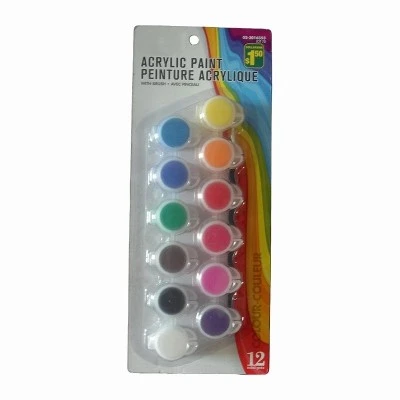
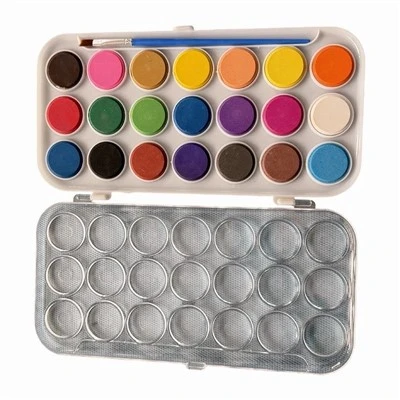
Acrylic watercolor paints are generally safe to use on styrofoam. However, some paints may contain solvents or chemicals that could potentially react with the styrofoam. It's important to choose high - quality paints from a reputable supplier. Our 12 - color Acrylic Paints and 21 - color Watercolor Paints are formulated to be safe for a variety of surfaces, including styrofoam.
Techniques for Painting Styrofoam with Acrylic Watercolor Paints
Brushing
Brushing is the most common technique for applying acrylic watercolor paints to styrofoam. Use a soft - bristled brush to apply the paint in smooth, even strokes. Start with a light coat and gradually build up the color. If you want to create a gradient effect, you can blend the colors while the paint is still wet.
Spraying
Spraying is another option for painting styrofoam. You can use an airbrush or a spray bottle to apply the paint. Spraying allows for a more even and fine - mist application, which can be useful for creating a smooth, uniform finish. However, make sure to use a well - ventilated area when spraying to avoid inhaling the paint fumes.
Stenciling
Stenciling is a great way to add patterns or designs to styrofoam. You can use pre - made stencils or create your own. Place the stencil on the styrofoam and apply the paint over it using a brush or a sponge. This technique allows for precise and detailed designs.
Benefits of Using Acrylic Watercolor Paints on Styrofoam
Versatility
Acrylic watercolor paints offer a wide range of colors and effects, allowing you to create unique and personalized designs on styrofoam. Whether you're creating a craft project, a model, or a decorative piece, these paints can help you achieve the look you want.
Durability
Once the paint is dry, it forms a durable and long - lasting finish on the styrofoam. This means that your painted styrofoam project will withstand normal handling and environmental conditions.
Ease of Use
Acrylic watercolor paints are easy to work with. They can be thinned with water, and any mistakes can be easily corrected while the paint is still wet. This makes them a great choice for beginners and experienced artists alike.
Considerations for Large - Scale Projects
If you're working on a large - scale project, such as a set for a play or a large - scale art installation, there are a few additional considerations.
Quantity
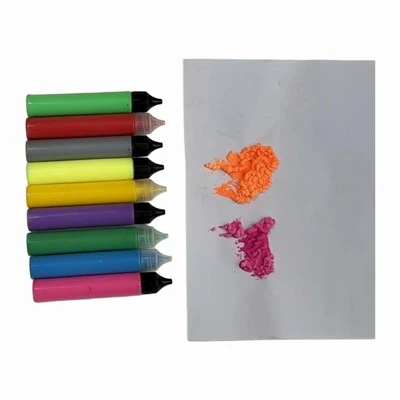
Make sure you have enough paint to complete the project. Our Digital Painting Pigments are available in large quantities, which can be cost - effective for large - scale projects.
Drying Time
Larger projects may take longer to dry. Make sure you have enough space to allow the painted styrofoam to dry properly. You may also need to use fans or a dehumidifier to speed up the drying process.
Conclusion
In conclusion, acrylic watercolor paints can be used on styrofoam, but it's important to take the necessary steps to ensure proper adhesion and a good finish. By preparing the surface, applying the paint in thin layers, and using the right techniques, you can create beautiful and durable painted styrofoam projects.
If you're interested in purchasing our high - quality acrylic watercolor paints for your styrofoam projects or any other painting needs, we invite you to contact us for a purchase negotiation. Our team is ready to assist you in finding the right products for your specific requirements.
References
- "The Art of Acrylic Painting" by Smith, John
- "Crafting with Styrofoam" by Johnson, Emily