


Can I use Student Watercolor Cakes for painting on bamboo?
When it comes to artistic endeavors, the choice of materials plays a crucial role in achieving the desired results. As a supplier of Student Watercolor Cakes, I often receive inquiries about the versatility of these products. One question that frequently arises is whether Student Watercolor Cakes can be used for painting on bamboo. In this blog post, we will explore this topic in depth, considering the characteristics of both the watercolor cakes and bamboo, and providing practical insights for artists.
Understanding Student Watercolor Cakes
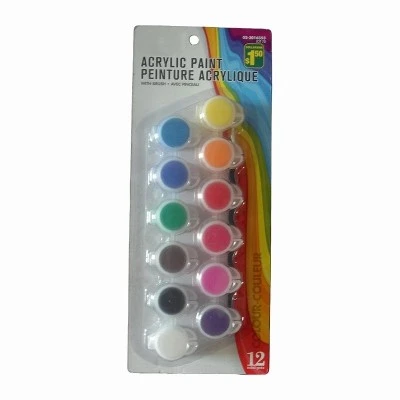
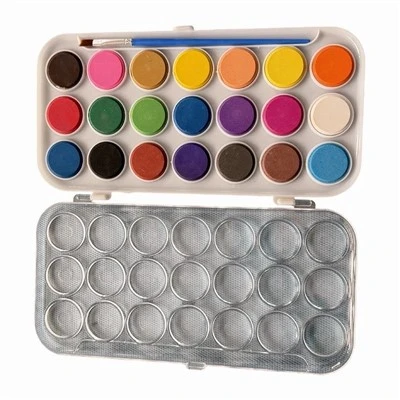
Student Watercolor Cakes are a popular choice among budding artists and students due to their affordability, portability, and ease of use. These semi - dry drawing materials Semi - dry Drawing Materials come in a compact form, typically arranged in a palette with individual color cakes. They are made from pigments suspended in a binder, which allows them to be reactivated with water.
One of the key advantages of Student Watercolor Cakes is their ability to create a wide range of colors and effects. Artists can mix different colors directly on the palette to achieve custom shades, and the water - soluble nature of the pigments allows for smooth blending and layering. Additionally, the cakes are relatively easy to store and transport, making them ideal for on - the - go painting sessions.
The Nature of Bamboo
Bamboo is a unique and versatile material that has been used in art and craftsmanship for centuries. It is known for its strength, flexibility, and natural beauty. Bamboo has a smooth surface with a distinct grain pattern, which can add an interesting texture to a painting. However, it also has some characteristics that need to be considered when using watercolor paints.
One of the main challenges of painting on bamboo is its absorbency. Bamboo is a porous material, which means it can absorb water quickly. This can cause the watercolor to dry rapidly, potentially leading to uneven color distribution and a loss of detail. Additionally, the natural oils and resins present in bamboo can sometimes interfere with the adhesion of the paint, resulting in a less - than - ideal finish.
Compatibility of Student Watercolor Cakes with Bamboo
Despite the challenges posed by bamboo's absorbency and natural properties, it is possible to use Student Watercolor Cakes for painting on this material. Here are some factors to consider:


Surface Preparation: Before painting on bamboo, it is important to prepare the surface properly. This can involve sanding the bamboo gently to create a smoother surface and remove any rough spots or splinters. Sanding can also help to open up the pores of the bamboo, allowing the paint to adhere better. After sanding, wipe the bamboo clean with a damp cloth to remove any dust.
Testing: It is always a good idea to conduct a test on a small, inconspicuous area of the bamboo before starting a full - scale painting. This will allow you to see how the watercolor cakes interact with the bamboo surface and make any necessary adjustments to your technique.
Technique: When using Student Watercolor Cakes on bamboo, it is important to work quickly and efficiently. Since the bamboo absorbs water rapidly, you may need to apply multiple thin layers of paint rather than one thick layer. This will help to prevent the paint from drying too quickly and ensure a more even color distribution. You can also use a wet - on - wet technique, where you apply wet paint to a damp bamboo surface, to create softer edges and more blended effects.
Sealing: Once the paint has dried, it is recommended to seal the painting with a clear varnish or sealant. This will not only protect the paint from scratches and moisture but also enhance the natural beauty of the bamboo. Make sure to choose a sealant that is compatible with watercolor paints.
Benefits of Using Student Watercolor Cakes on Bamboo
Using Student Watercolor Cakes on bamboo can offer several benefits:
Unique Aesthetic: The combination of the natural grain of bamboo and the vibrant colors of watercolor can create a unique and visually appealing artwork. The texture of the bamboo adds an extra dimension to the painting, making it stand out.
Cost - Effective: Student Watercolor Cakes are an affordable option, making them accessible to artists on a budget. This allows you to experiment with painting on bamboo without breaking the bank.
Portability: As mentioned earlier, Student Watercolor Cakes are easy to carry around. This means you can take your painting supplies with you and create art on bamboo wherever you go, whether it's in a studio, outdoors, or during a travel.
Tips for Success
Here are some additional tips to help you achieve the best results when using Student Watercolor Cakes on bamboo:
- Use a Quality Brush: A good quality brush is essential for applying watercolor paints evenly and smoothly. Choose a brush with soft bristles that can hold a sufficient amount of water and paint.
- Control the Amount of Water: Since bamboo absorbs water quickly, it is important to control the amount of water you use when reactivating the watercolor cakes. Too much water can cause the paint to spread too quickly and lose its shape, while too little water can result in a dry and patchy finish.
- Experiment with Different Techniques: Don't be afraid to experiment with different techniques, such as dry brushing, stippling, or sponging, to create unique effects on the bamboo surface.
In conclusion, while painting on bamboo with Student Watercolor Cakes presents some challenges, it is definitely possible to achieve beautiful results with the right preparation and technique. Whether you are a beginner or an experienced artist, this combination offers a unique and rewarding artistic experience.
If you are interested in purchasing our Student Watercolor Cakes or have any questions about using them for painting on bamboo, please feel free to reach out. We are always happy to assist you in your artistic journey.
References
- Smith, J. (2018). Watercolor Painting Techniques. Art Publishing House.
- Brown, A. (2019). The Art of Painting on Natural Materials. Creative Arts Press.