





Selecting the right painting pigments for a still - life painting is a crucial decision that can significantly impact the final outcome of your artwork. As a painting pigments supplier, I have witnessed firsthand the importance of making informed choices when it comes to pigments. In this blog, I will share some insights on how to choose the perfect pigments for your still - life paintings.
Understanding the Basics of Painting Pigments
Before delving into the selection process, it's essential to understand the basic types of painting pigments. Pigments can be broadly classified into natural and synthetic pigments. Natural pigments are derived from minerals, plants, and animals. For example, ochre is a natural pigment that comes from clay and has been used in art for thousands of years. Synthetic pigments, on the other hand, are chemically manufactured. They offer a wider range of colors and often have better lightfastness and durability compared to natural pigments.
When it comes to still - life paintings, the choice between natural and synthetic pigments depends on several factors. If you are aiming for a traditional or historical look, natural pigments might be a better choice. However, if you need a specific color that is not available in natural pigments or require high - quality, long - lasting colors, synthetic pigments are the way to go.
Consider the Medium
The medium you choose for your still - life painting also plays a vital role in pigment selection. The most common painting mediums for still - life paintings are oil, watercolor, and acrylic.
Oil Painting
Oil paints are known for their rich, deep colors and slow - drying properties. This allows artists to blend colors easily and work on a painting over an extended period. When selecting pigments for oil painting, look for pigments that are suitable for oil mediums. Some pigments may react with the oil binder, causing discoloration or other issues over time. For example, cadmium pigments are popular in oil painting because they offer vibrant colors and good lightfastness.
Watercolor Painting
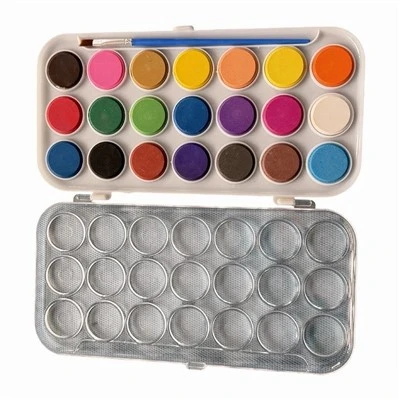
Watercolor paints are transparent and allow for a delicate, airy look. They dry quickly, which means you need to work fast. Pigments for watercolor should be able to dissolve well in water and have good transparency. Natural earth pigments like umber and sienna are often used in watercolor still - life paintings for their warm, earthy tones.
Acrylic Painting
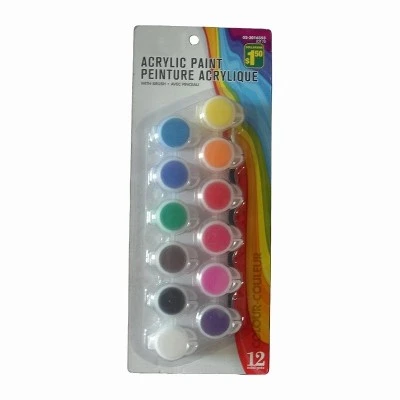
Acrylic paints are versatile and dry quickly. They can be used on various surfaces, including canvas, paper, and wood. Acrylic pigments are available in a wide range of colors and offer good lightfastness. When choosing acrylic pigments for a still - life painting, consider the texture and finish you want to achieve. Some acrylic pigments have a matte finish, while others have a glossy finish.
Color Selection
Color is one of the most important aspects of a still - life painting. The colors you choose can set the mood, create depth, and bring your still - life subject to life.
Complementary Colors
Complementary colors are colors that are opposite each other on the color wheel. Using complementary colors in your still - life painting can create a vibrant and dynamic effect. For example, if your still - life subject has a lot of green tones, you can use red - orange pigments to create contrast.
Analogous Colors
Analogous colors are colors that are next to each other on the color wheel. They create a harmonious and soothing effect. For a still - life painting with a calm and peaceful mood, you can choose analogous colors. For instance, if you are painting a bowl of fruits, you can use yellow, yellow - orange, and orange pigments to create a warm and inviting look.
Skin Tones
If your still - life includes human subjects or objects with skin - like tones, it's important to choose the right pigments to create realistic skin tones. You can mix different pigments to achieve the desired skin tone. For example, you can use a combination of red, yellow, and white pigments to create a natural - looking skin tone.
Lightfastness and Durability
Lightfastness refers to the ability of a pigment to resist fading when exposed to light. In a still - life painting, you want your colors to remain vibrant and true for a long time. When selecting pigments, look for those with high lightfastness ratings. The lightfastness of a pigment is usually indicated by a rating system, such as ASTM (American Society for Testing and Materials) ratings.


Durability is also an important factor. Pigments should be able to withstand environmental factors such as humidity, temperature changes, and physical wear. Some pigments may be more prone to cracking or flaking over time, especially if they are used on certain surfaces.
Specialized Pigments for Different Surfaces
Depending on the surface you are painting on, you may need to choose specialized pigments.
Paint To Use On Fabric
If you are painting a still - life on fabric, you need pigments that are specifically designed for fabric. These pigments are usually washable and flexible, so they won't crack or peel when the fabric is moved or washed. They also adhere well to the fabric surface.
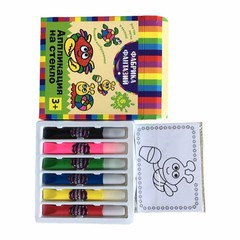
Glass Painting Paints
For glass painting, you need pigments that can adhere to the smooth glass surface and are resistant to scratching and washing. Glass painting pigments often come with special binders that help them stick to the glass.
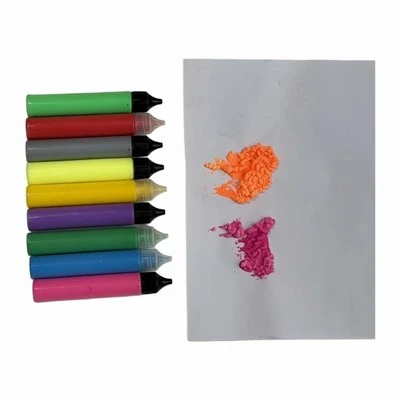
3D Puff Paint
If you want to add a three - dimensional effect to your still - life painting, 3D puff paint can be a great option. These pigments expand when heated, creating a raised, puffy effect. They are often used to add texture and interest to still - life paintings.
Quality and Brand
The quality of the pigments you choose can have a significant impact on the final result of your still - life painting. High - quality pigments usually offer better color saturation, lightfastness, and durability. When selecting pigments, it's a good idea to choose well - known brands that have a reputation for producing high - quality products.
Conclusion
Choosing the right painting pigments for a still - life painting is a complex but rewarding process. By understanding the basics of pigments, considering the medium, selecting the right colors, and paying attention to lightfastness and durability, you can create a beautiful and long - lasting still - life painting. As a painting pigments supplier, I am here to help you make the best choices for your artistic needs. If you are interested in purchasing high - quality painting pigments for your still - life paintings, please feel free to contact us for more information and to start a purchase negotiation.
References
- "The Painter's Handbook" by Robert Maher
- "Color and Light: A Guide for the Realist Painter" by James Gurney