






Hey there, fellow artists! If you're like me, you're always on the hunt for new and exciting ways to create stunning backgrounds. And let me tell you, solid watercolor paints are an absolute game-changer. As a solid watercolor paints supplier, I've seen firsthand the amazing results these paints can achieve. In this blog post, I'm going to share with you some tips and techniques on how to create a background with solid watercolor paints.
Getting Started
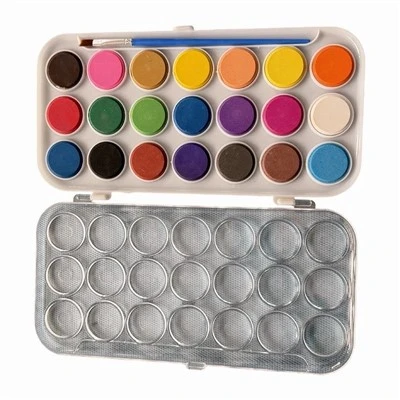
Before we dive into the actual painting process, let's talk about the supplies you'll need. First and foremost, you'll need a set of solid watercolor paints. These paints come in small, compact pans that are easy to carry around and use. You can find a wide variety of colors to choose from, so you can create any background you can imagine.
In addition to the paints, you'll also need a paintbrush. I recommend using a small, round brush for detailed work and a larger, flat brush for covering larger areas. You'll also need a palette to mix your paints on and a container of water to clean your brushes.


Preparing Your Surface
Once you have your supplies, it's time to prepare your surface. You can use a variety of surfaces for watercolor painting, including watercolor paper, canvas, and even wood. If you're using watercolor paper, make sure it's thick enough to handle the wet paint without warping. You can also use a spray bottle to dampen the paper before you start painting to help the paint spread more evenly.
Creating Your Background
Now that you're all set up, it's time to start creating your background. The first step is to choose the colors you want to use. You can either use a single color for a monochromatic background or mix several colors together for a more vibrant look.
To start, wet your brush with water and then pick up some paint from one of the pans. You can use a small amount of paint at first and then add more as needed. Once you have the paint on your brush, start applying it to the surface in a light, even layer. You can use a variety of techniques to apply the paint, such as brushing, dabbing, or sponging.
As you're applying the paint, you can also add more water to the surface to create a more diluted effect. This can help the paint blend together and create a more organic look. You can also use a spray bottle to mist the surface with water to create a more textured effect.
Adding Details
Once you have your background base, it's time to add some details. You can use a smaller brush to add highlights, shadows, and other details to your background. You can also use a white gel pen or a metallic paint to add some sparkle and shine to your background.
One technique you can use to add details is called dry brushing. To do this, you'll need to load your brush with a small amount of paint and then wipe off most of the paint on a paper towel. Then, you can use the dry brush to lightly brush over the surface of your background to add texture and detail.
Using Different Types of Solid Watercolor Paints
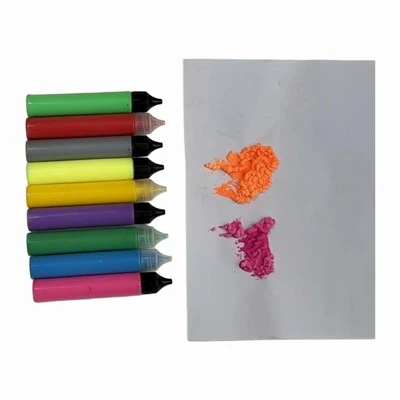
As a solid watercolor paints supplier, I offer a variety of different types of paints to choose from. One type of paint I recommend is semi-dry drawing materials. These paints are a great option for creating detailed backgrounds because they dry quickly and are easy to work with. You can find more information about semi-dry drawing materials here.
Another type of paint I recommend is semi-moist watercolor. These paints are a bit more fluid than semi-dry drawing materials and are great for creating more organic-looking backgrounds. You can find more information about semi-moist watercolor here.
Finally, I also offer semi-dry metallic paints. These paints are a great option for adding some sparkle and shine to your backgrounds. You can find more information about semi-dry metallic paints here.
Tips and Tricks
Here are some additional tips and tricks to help you create a beautiful background with solid watercolor paints:
- Experiment with different color combinations to create unique and interesting backgrounds.
- Use a variety of techniques to apply the paint, such as brushing, dabbing, and sponging, to create different textures and effects.
- Don't be afraid to make mistakes. Watercolor painting is all about experimentation and having fun.
- Let your background dry completely before adding any additional details or layers.
- Use a fixative spray to protect your finished background and prevent it from smudging or fading.
Conclusion
Creating a background with solid watercolor paints is a fun and rewarding way to express your creativity. With a little practice and some experimentation, you can create stunning backgrounds that will add a unique touch to your artwork. If you're interested in purchasing solid watercolor paints, please feel free to contact me to discuss your options and place an order. I'd love to help you bring your artistic vision to life!
References
- Watercolor Painting Techniques by John Smith
- The Complete Guide to Solid Watercolor Paints by Jane Doe