



As a supplier of advertising paint, I understand the importance of achieving high opacity in advertising paint. Opaque paint can effectively cover the background, making the advertising content more prominent and eye - catching. In this blog, I will share some practical methods on how to make advertising paint more opaque.
1. Select High - Quality Pigments
The quality of pigments is a crucial factor in determining the opacity of paint. High - quality pigments have better light - scattering properties, which can enhance the paint's ability to cover the surface. When choosing pigments, look for those with high tinting strength. For example, titanium dioxide is a commonly used white pigment known for its excellent opacity. It can scatter light effectively, making the paint appear more opaque.
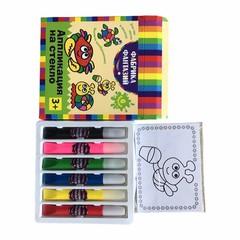
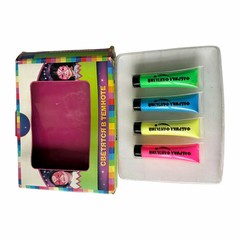
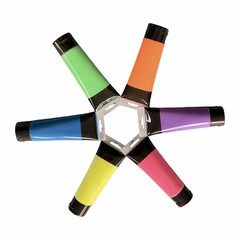
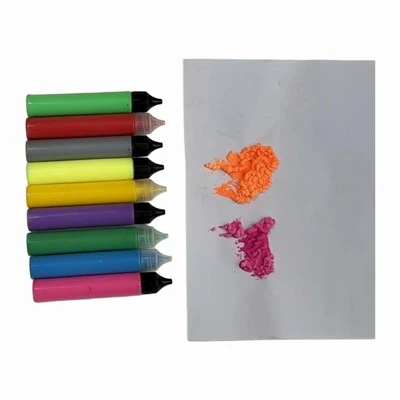
In our product line, we offer a variety of pigment options for different needs. Our Finger Painting Paints use high - quality pigments that can provide good opacity, even for delicate finger - painting projects. These pigments are carefully selected to ensure that they not only offer opacity but also have good color fastness.
2. Adjust the Pigment - to - Binder Ratio
The ratio of pigments to binders in the paint formulation plays a significant role in determining opacity. A higher pigment - to - binder ratio generally leads to more opaque paint. However, it's important to find the right balance. If the ratio is too high, the paint may become too thick and difficult to apply, and it may also affect the paint's adhesion and durability.
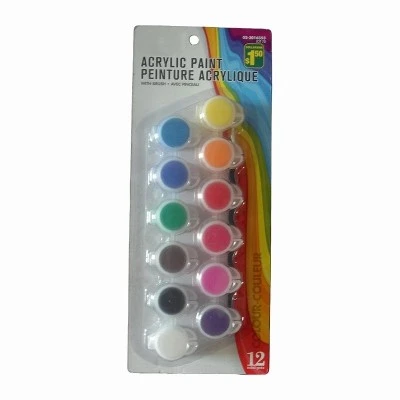
We recommend conducting small - scale tests to find the optimal pigment - to - binder ratio for your specific advertising paint. In our 12 - color Acrylic Paints, we have carefully formulated the pigment - to - binder ratio to achieve a good balance between opacity and workability. This allows for easy application while still providing excellent coverage.
3. Use Multiple Coats
Applying multiple coats of paint is a simple yet effective way to increase opacity. Each additional coat adds more pigment to the surface, gradually building up the opacity. When applying multiple coats, make sure to allow each coat to dry completely before applying the next one. This ensures that the paint adheres well and that the final result is smooth and even.
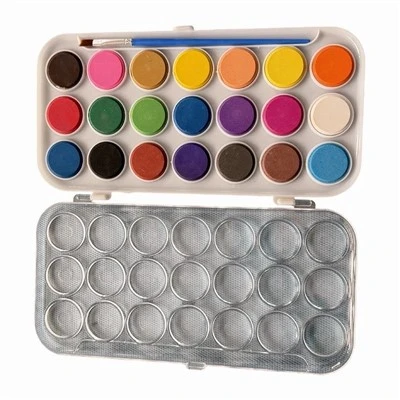
For large - scale advertising projects, using multiple coats can be especially beneficial. Our 21 - color Watercolor Paints are suitable for multiple - coat applications. They dry relatively quickly, allowing for efficient layering to achieve the desired opacity.
4. Consider the Surface Preparation
The surface on which the paint is applied also affects its opacity. A smooth and clean surface allows the paint to spread evenly, maximizing its covering power. Before applying the paint, make sure to clean the surface thoroughly to remove any dirt, grease, or old paint. If the surface is rough, it may absorb more paint, reducing the overall opacity. In such cases, it may be necessary to sand the surface to make it smoother.
In addition, priming the surface can also improve the paint's opacity. A primer provides a uniform base for the paint, enhancing its adhesion and coverage. We offer a range of primers that are specifically designed to work well with our advertising paints, ensuring optimal results.

5. Control the Application Method
The way the paint is applied can have a significant impact on its opacity. Different application methods, such as brushing, rolling, or spraying, can affect how the paint is distributed on the surface.
Brushing is a common method for applying advertising paint. When brushing, use a high - quality brush and apply the paint in smooth, even strokes. This helps to ensure that the paint is evenly distributed and that the opacity is consistent. Rolling is another option, which can be faster for larger areas. However, it's important to use a roller with the appropriate nap thickness to avoid leaving streaks or uneven coverage.
Spraying is a more efficient method for large - scale projects. It allows for a fine and even mist of paint to be applied, which can result in a more uniform opacity. However, spraying requires proper equipment and technique to ensure a good finish.
6. Choose the Right Paint Type
There are different types of advertising paints available, such as acrylic, watercolor, and oil - based paints. Each type has its own characteristics in terms of opacity.
Acrylic paints are popular for advertising due to their fast - drying time, good adhesion, and high opacity. They can be used on a variety of surfaces and are available in a wide range of colors. Our 12 - color Acrylic Paints are a great choice for advertising projects that require high - opacity and long - lasting results.
Watercolor paints are more transparent by nature, but they can still be made more opaque by using the methods mentioned above, such as using multiple coats and high - quality pigments. Our 21 - color Watercolor Paints offer a good balance between transparency and opacity, allowing for creative and eye - catching advertising designs.
Oil - based paints are known for their excellent coverage and durability. They take longer to dry but can provide a very opaque finish. However, they also require proper ventilation during application due to their strong odor.
7. Storage and Handling
Proper storage and handling of the paint are also important for maintaining its opacity. Store the paint in a cool, dry place away from direct sunlight. Exposure to heat and sunlight can cause the paint to degrade, affecting its opacity and other properties.
Before using the paint, make sure to stir it thoroughly. Over time, the pigments may settle at the bottom of the container, and stirring ensures that the pigments are evenly distributed throughout the paint. This helps to maintain consistent opacity during application.
In conclusion, achieving high opacity in advertising paint requires a combination of factors, including selecting high - quality pigments, adjusting the pigment - to - binder ratio, using multiple coats, preparing the surface properly, choosing the right application method, selecting the appropriate paint type, and proper storage and handling.
If you are interested in our advertising paint products or have any questions about making your advertising paint more opaque, we would be more than happy to assist you. Contact us for a detailed discussion on your specific needs and how our products can meet them.
References
- "The Chemistry of Paints and Coatings" by John Wiley & Sons
- "Practical Guide to Paint Application" by Industrial Press Inc.