



Hey there, fellow digital painting enthusiasts! I'm stoked to share some insights on the best way to blend digital painting pigments. As a supplier of Digital Painting Pigments, I've seen firsthand how the right blending techniques can take your digital art to the next level.
First off, let's talk about why blending is so important in digital painting. Blending allows you to create smooth transitions between colors, add depth and dimension to your artwork, and achieve a more realistic look. Whether you're working on a landscape, a portrait, or an abstract piece, mastering the art of blending can make a world of difference.
Now, there are several ways to blend digital painting pigments, and the best method for you will depend on your personal style and the tools you're using. Here are some popular techniques that I recommend:


1. Soft Brush Blending
One of the most common and effective ways to blend digital painting pigments is by using a soft brush. Soft brushes have a smooth, gradual edge that allows you to blend colors seamlessly. To use this technique, simply select a soft brush from your digital painting software and start painting over the area where you want to blend. You can adjust the opacity and flow of the brush to control the intensity of the blend.
2. Gradient Tool
The gradient tool is another great option for blending digital painting pigments. This tool allows you to create a smooth transition between two or more colors. To use the gradient tool, select it from your digital painting software and choose the colors you want to blend. Then, click and drag the gradient tool across the area where you want to create the blend. You can adjust the angle, length, and type of gradient to achieve the desired effect.
3. Layer Blending Modes
Layer blending modes are a powerful feature in digital painting software that allow you to blend colors between different layers. Each blending mode has a different effect on the colors in the layers below it. For example, the "Multiply" blending mode darkens the colors in the layer above it, while the "Screen" blending mode lightens them. Experiment with different blending modes to find the ones that work best for your artwork.
4. Smudging
Smudging is a technique that involves using a smudge tool to blend colors together. This tool allows you to pick up and move colors around on the canvas, creating a soft, blended effect. To use the smudge tool, select it from your digital painting software and start smudging over the area where you want to blend. You can adjust the size and hardness of the smudge tool to control the intensity of the blend.
5. Mixing Colors
Mixing colors is another important aspect of blending digital painting pigments. By mixing different colors together, you can create new colors and achieve a more diverse range of tones in your artwork. To mix colors, simply select the colors you want to mix and use a brush or the gradient tool to blend them together. You can also use the color picker tool to select specific colors from your artwork and mix them with other colors.
Now that you know some of the best ways to blend digital painting pigments, let's talk about some tips and tricks to help you get the most out of your blending techniques:
1. Start with a Light Base Color
When blending digital painting pigments, it's a good idea to start with a light base color. This will make it easier to add darker colors and create a more realistic look. You can use a white or light gray color as your base color and then add darker colors on top.
2. Use a Variety of Brushes
Using a variety of brushes can help you achieve different blending effects. Experiment with different brush sizes, shapes, and textures to find the ones that work best for your artwork. You can also use custom brushes to add unique effects to your blends.
3. Work in Layers
Working in layers is a great way to keep your artwork organized and make it easier to make changes. You can create separate layers for different colors, objects, or effects and then blend them together using layer blending modes. This will allow you to make adjustments to individual layers without affecting the rest of your artwork.
4. Practice, Practice, Practice
Like any skill, blending digital painting pigments takes practice. Don't be afraid to experiment with different techniques and tools to find the ones that work best for you. The more you practice, the better you'll become at blending colors and creating realistic-looking artwork.
5. Use Reference Images
Using reference images can be a great way to get inspiration and improve your blending skills. Look for images of real-life objects or scenes that you want to recreate in your digital painting and use them as a reference. Pay attention to the colors, textures, and lighting in the reference image and try to replicate them in your artwork.
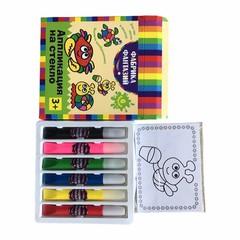
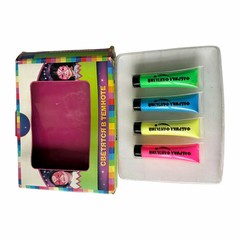
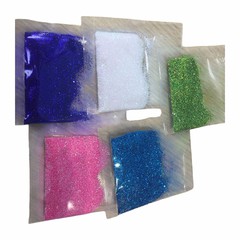
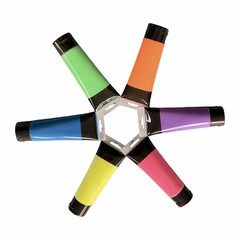
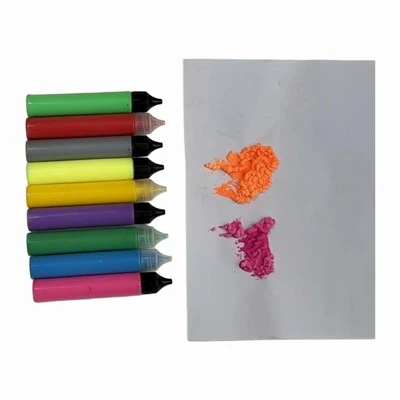
In addition to these tips and tricks, I also recommend using high-quality digital painting pigments. At our company, we offer a wide range of Digital Painting Pigments that are designed to provide vibrant, long-lasting colors. Our pigments are made from high-quality ingredients and are formulated to be easy to blend and work with.
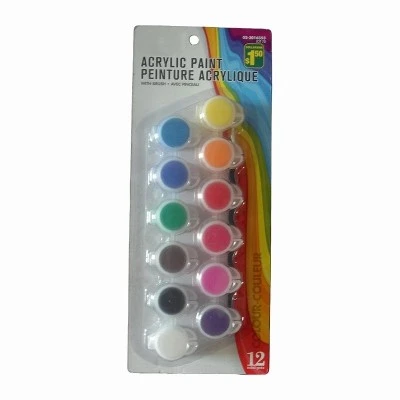
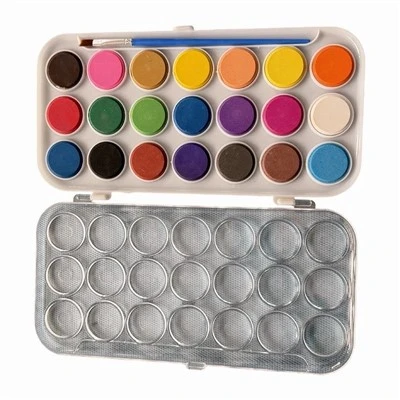
We also offer a variety of other products, including 21-color Watercolor Paints and Finger Painting Paints. These products are perfect for artists of all skill levels and can be used to create a variety of different types of artwork.
If you're interested in learning more about our products or have any questions about blending digital painting pigments, please don't hesitate to contact us. We'd be happy to help you find the right products for your needs and provide you with any support or advice you may need.
In conclusion, blending digital painting pigments is an important skill that can help you create beautiful, realistic-looking artwork. By using the right techniques, tools, and products, you can achieve smooth transitions between colors, add depth and dimension to your artwork, and take your digital painting to the next level. So, go ahead and start experimenting with different blending techniques and see what you can create!
References:
- Digital painting software documentation
- Online tutorials and resources on digital painting techniques