

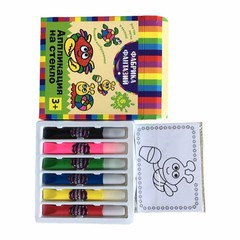


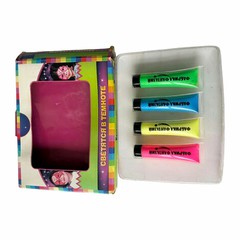
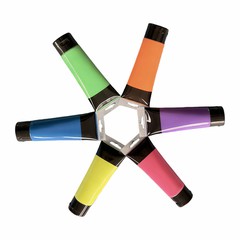

Hey there, art enthusiasts! As a supplier of Finger Painting Paints, I've had my fair share of questions about the differences between water-based and oil-based finger painting paints. So, I thought I'd break it down for you in this blog post.


Composition and Ingredients
Let's start with what these paints are made of. Water-based finger painting paints, as the name suggests, have water as their main solvent. They're usually made up of pigments, which give the paint its color, and a binder that helps the pigment stick to the surface. The binder in water-based paints is often a type of acrylic polymer. This makes them non-toxic and easy to clean up with just soap and water.
On the other hand, oil-based finger painting paints use oil, typically linseed oil, as the solvent. The pigments are mixed with the oil, and a drying agent is added to help the paint harden over time. These paints have a thicker consistency and a more intense color payoff. But they're also more difficult to clean up and can be toxic if ingested.
Drying Time
One of the biggest differences between water-based and oil-based finger painting paints is the drying time. Water-based paints dry relatively quickly. Depending on the thickness of the application and the humidity in the environment, they can dry in as little as 10 to 30 minutes. This is great if you're working on a project with a tight deadline or if you have little ones who can't wait to see the finished result.
Oil-based paints, however, take much longer to dry. It can take anywhere from several hours to several days for a thin layer of oil paint to dry completely. This slow drying time can be both a blessing and a curse. On the one hand, it gives you more time to blend colors and make adjustments to your painting. On the other hand, it means you have to be more careful not to smudge the paint while it's drying.
Color Blending
When it comes to color blending, both water-based and oil-based paints have their own unique characteristics. Water-based paints are known for their ease of blending. Since they dry quickly, you can blend colors while they're still wet to create smooth gradients and soft transitions. You can also add water to thin out the paint and create different effects.
Oil-based paints, on the other hand, offer more flexibility when it comes to blending. Because they dry slowly, you have more time to work with the paint and create more complex blends. You can also use different techniques, such as glazing, to build up layers of color and create a more textured look.
Durability
Durability is an important factor to consider when choosing between water-based and oil-based finger painting paints. Water-based paints are generally more resistant to fading and yellowing over time. They're also less likely to crack or peel, especially if they're applied to a properly prepared surface.
Oil-based paints, on the other hand, are known for their long-lasting durability. They form a hard, protective layer that can withstand wear and tear. However, they can be more prone to yellowing over time, especially if they're exposed to sunlight or other environmental factors.
Safety
Safety is always a top priority, especially when it comes to finger painting paints. Water-based paints are generally considered to be safer than oil-based paints. They're non-toxic and easy to clean up, making them a great choice for children and beginners.
Oil-based paints, on the other hand, can be toxic if ingested or inhaled. They also require the use of solvents, such as turpentine, to clean up, which can be harmful to the environment and your health. If you're using oil-based paints, it's important to work in a well-ventilated area and wear protective gloves and a mask.
Cost
Cost is another factor to consider when choosing between water-based and oil-based finger painting paints. Water-based paints are generally more affordable than oil-based paints. They're also available in a wider range of colors and sizes, making them a great option for budget-conscious artists.
Oil-based paints, on the other hand, are more expensive. They require more specialized equipment and materials, such as brushes and solvents, which can add to the overall cost. However, if you're looking for a high-quality, long-lasting paint, the extra cost may be worth it.
Which One Should You Choose?
So, which type of finger painting paint is right for you? It really depends on your personal preferences and the type of project you're working on. If you're a beginner or if you're working with children, water-based paints are a great choice. They're easy to use, safe, and affordable.
If you're an experienced artist or if you're looking for a more professional finish, oil-based paints may be a better option. They offer more flexibility when it comes to color blending and durability, but they also require more skill and experience to use.
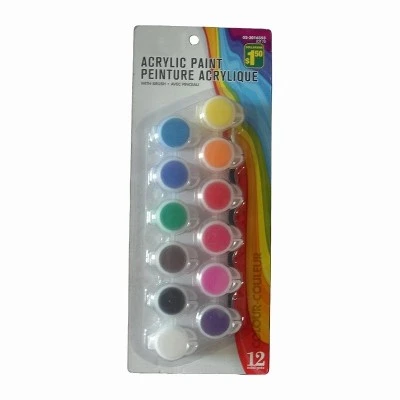
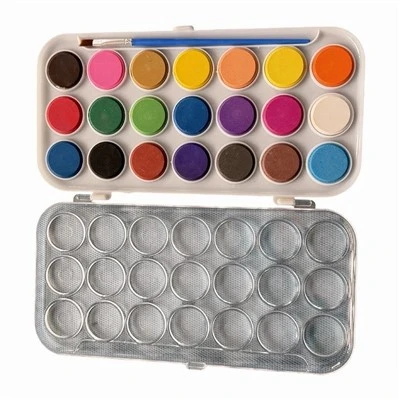
At our company, we offer a wide range of Finger Painting Paints, including both water-based and oil-based options. We also have a selection of 12-color Acrylic Paints and 21-color Watercolor Paints that are perfect for finger painting.
If you're interested in learning more about our products or if you have any questions, please don't hesitate to reach out. We'd be happy to help you choose the right paint for your project and provide you with any additional information you need.
So, there you have it! The differences between water-based and oil-based finger painting paints. I hope this blog post has been helpful and that it's given you a better understanding of the pros and cons of each type of paint. Happy painting!
References
- Smith, J. (2020). The Art of Finger Painting. New York: Art Publishing House.
- Johnson, A. (2019). Water-Based vs. Oil-Based Paints: A Comparison. Journal of Art Materials, 15(2), 45-52.