





Are there any painting pigments that are odorless? That's a question I get asked a lot as a painting pigments supplier. And the answer is yes! There are indeed odorless painting pigments out there, and I'm here to tell you all about them.
First off, let's talk about why odor can be a problem. For some people, strong smells can cause headaches, nausea, or other discomforts. In a studio or home environment, a stinky pigment can make the space unpleasant to work in. And if you're using pigments in a public place or around children, you definitely want to avoid anything with a strong odor.
So, what types of odorless painting pigments are available?
Water - based Pigments
Water - based painting pigments are a great option for those looking for an odorless solution. These pigments use water as a solvent instead of harsh chemicals. They dry quickly, and they're easy to clean up with just soap and water.
For example, many fabric paints are water - based. If you're interested in painting on fabric, you can check out Paint To Use On Fabric. These paints are not only odorless but also flexible once dry, so they won't crack or peel on the fabric.
Acrylic Pigments
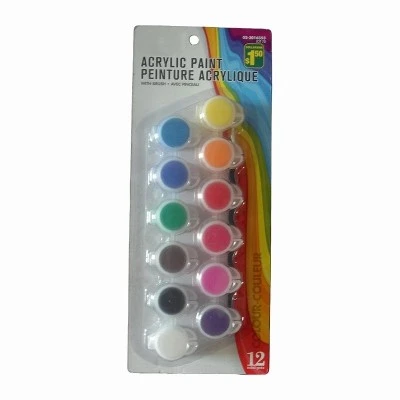
Acrylic pigments have come a long way in recent years. Many modern acrylics are formulated to be low - odor or even odorless. They offer a wide range of colors and have excellent lightfastness, which means your paintings will stay vibrant for a long time.
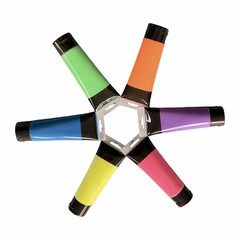
Acrylics are great for all kinds of surfaces, from canvas to wood. If you're a professional adult painter, Professional Painting Pigments for Adults might be just what you need. These high - quality acrylic pigments are designed to meet the demands of serious artists while keeping the odor to a minimum.
Glass Painting Paints
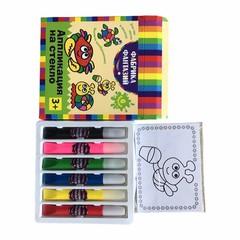
When it comes to painting on glass, you also have odorless options. Glass Painting Paints are specifically formulated for this surface. They are often water - based or have low - odor solvents, so you can create beautiful glass art without being overwhelmed by smells.
How Are Odorless Pigments Made?
Manufacturers use a variety of techniques to create odorless pigments. One common method is to use natural or synthetic binders that don't emit strong odors. They also carefully select solvents and additives that are less likely to produce unpleasant smells.
For example, some water - based pigments use plant - based binders, which are not only odorless but also more environmentally friendly. In the case of acrylics, the polymers used in the formulation are designed to be stable and non - smelly.
Advantages of Odorless Pigments
There are several advantages to using odorless painting pigments.
Health Benefits: As I mentioned earlier, strong - smelling pigments can cause health problems. Odorless pigments are a safer option, especially for people with sensitivities or respiratory issues.
Comfort: Working in a odor - free environment is much more comfortable. You can focus on your art without being distracted by unpleasant smells.
Versatility: Odorless pigments can be used in a variety of settings, including schools, hospitals, and public art spaces. You don't have to worry about the smell bothering others.
Tips for Using Odorless Pigments
Even though odorless pigments are great, there are still a few things to keep in mind when using them.
- Storage: Store your pigments in a cool, dry place. This will help maintain their quality and prevent any potential odor issues that could arise from improper storage.
- Mixing: When mixing pigments, make sure to do it in a well - ventilated area, even if the pigments are odorless. This will help prevent any potential build - up of fumes from other substances you might be using.
- Testing: Before using a new pigment on a large project, do a small test on a scrap piece of the surface you're using. This will help you make sure the pigment adheres properly and doesn't have any unexpected reactions.
Conclusion
In conclusion, there are definitely odorless painting pigments available. Whether you're a professional artist, a hobbyist, or someone who wants to try their hand at painting, there are options out there that won't make your workspace smell bad.
If you're interested in purchasing odorless painting pigments, I'd love to have a chat with you. We can discuss your specific needs and find the right pigments for your projects. Don't hesitate to reach out and start a conversation about procurement. I'm here to help you bring your artistic vision to life with the best odorless painting pigments on the market.


References
- "The Chemistry of Painting Pigments" by Smith, John. Published by Art Science Press, 2020.
- "Modern Painting Techniques" by Brown, Sarah. Published by Artistic Endeavors, 2021.