






Hey there, fellow art enthusiasts! I'm stoked to share with you today how to create a soft focus effect using our amazing Water Color Solids. As a supplier of these top - notch art materials, I've seen firsthand the magic they can bring to your paintings.
First off, let's talk a bit about what soft focus is. Soft focus is that dreamy, hazy look in a painting that gives it a sense of depth and a bit of mystery. It's like looking through a foggy window, where the edges of objects are blurred, and the colors blend seamlessly. It can add a touch of romance or a surreal quality to your artwork.
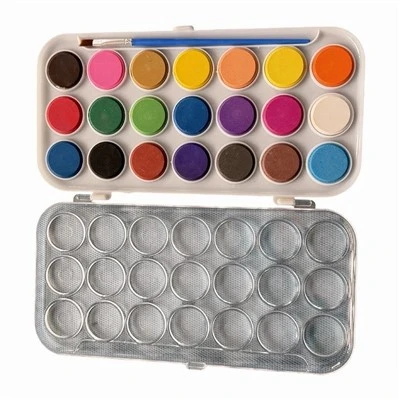
Now, about our Water Color Solids. They're not your average watercolors. These babies are solid blocks of pigment that, when combined with water, turn into a beautiful, vibrant paint. We have different types, like the Semi Moist Watercolor, which has a unique texture that allows for smooth application and easy blending. Then there's the Water Color Solid, a classic choice with intense colors that hold up well on the paper. And for those who love a bit of sparkle, our Shimmer Solid Watercolor adds a touch of magic with its glittery finish.
So, how do we go about creating that soft focus effect?
Step 1: Gather Your Supplies
You'll need a few things before you start. Of course, you'll need our Water Color Solids. Grab a set that has a good range of colors. You'll also need a good quality watercolor paper. Look for one that's thick and can handle multiple layers of paint without warping. A set of brushes is essential too. You'll want a variety of sizes, from small detail brushes to larger ones for covering bigger areas. And don't forget a container of water for rinsing your brushes.
Step 2: Prepare Your Water Color Solids
Take your Water Color Solids and place them on a palette. You can use a traditional ceramic palette or even a plastic one. Dip your brush in water and then gently rub it on the solid color. The pigment will start to dissolve on the brush. You can control the intensity of the color by how much you rub the brush on the solid. If you want a lighter color, just give it a quick rub. For a more intense color, keep rubbing until you get the shade you want.
Step 3: Sketch Your Subject
Before you start painting, it's a good idea to sketch out your subject on the watercolor paper. You can use a pencil to lightly draw the basic shapes and outlines. This will give you a guide for where to place your colors. Don't worry about making it perfect; it's just a starting point.
Step 4: Create the Base Layer
Once your sketch is done, it's time to start painting. Use a large brush to apply a base layer of color to your paper. You can choose a light, neutral color like a pale gray or a soft yellow. This base layer will help to create a smooth surface for the rest of your painting. Make sure to apply the paint evenly and let it dry completely before moving on to the next step.
Step 5: Build Up Layers for Soft Focus
Now comes the fun part! To create the soft focus effect, you'll need to build up layers of color. Start by choosing a few complementary colors. For example, if you're painting a landscape, you might choose greens, blues, and purples. Dip your brush in water and then pick up some color from the palette. Apply the color to the areas where you want to create the soft focus. Don't be too precise; let the colors blend and overlap naturally.
As you apply the colors, you can use a technique called wet - on - wet. This means applying wet paint to wet paper. When you do this, the colors will spread and blend more easily, creating that soft, blurred effect. You can also use a dry brush to gently blend the edges of the colors for an even softer look.
Step 6: Add Details Sparingly
Once you've created the overall soft focus effect, you can add a few details to bring your painting to life. But be careful not to overdo it. Use a small brush and a darker color to add things like the outlines of objects or some highlights. These details should be subtle and enhance the soft focus, not overpower it.


Step 7: Let It Dry and Evaluate
After you've finished painting, let your artwork dry completely. Once it's dry, take a step back and look at it. You might notice that some areas need a little more work. You can go back and add a bit more color or blend some areas if needed.
Now, I know you might be thinking, "This all sounds great, but how can I get my hands on these amazing Water Color Solids?" Well, if you're interested in purchasing our products or have any questions about creating soft focus effects or any other art - related queries, we'd love to hear from you. Just reach out to us, and we'll be more than happy to assist you in your art journey. Whether you're a professional artist or just starting out, our Water Color Solids are sure to take your paintings to the next level.
In conclusion, creating a soft focus effect with our Water Color Solids is a fun and rewarding process. With a little practice and the right techniques, you can achieve that dreamy, hazy look in your paintings. So, what are you waiting for? Give it a try and let your creativity flow!
References
- Various art books on watercolor techniques
- Personal experience as a Water Color Solid supplier