






Can I use digital painting pigments for book illustration?
In the dynamic world of book illustration, artists are constantly on the lookout for new and innovative tools to bring their creative visions to life. One such option that has gained significant attention in recent years is digital painting pigments. As a supplier of high - quality digital painting pigments, I am often asked whether these pigments can be effectively used for book illustration. In this blog post, we will explore this question in detail, examining the advantages, limitations, and practical considerations of using digital painting pigments for book illustration.
Advantages of Using Digital Painting Pigments for Book Illustration
1. Versatility
Digital painting pigments offer an unparalleled level of versatility. They can be used to create a wide range of effects, from realistic and detailed illustrations to abstract and expressive artworks. With digital tools, artists can easily adjust colors, tones, and textures, allowing for endless creative possibilities. For example, an illustrator can mimic the look of traditional watercolors, oils, or pastels, or create entirely new and unique visual styles. This flexibility makes digital painting pigments an ideal choice for book illustrators who need to adapt to different genres and themes.
2. Precision and Control
One of the key benefits of digital painting pigments is the high level of precision and control they offer. Artists can use digital brushes and tools to paint with extreme accuracy, making it easier to create fine details and intricate patterns. This is particularly important for book illustration, where clear and detailed images are often required to convey the story effectively. Additionally, digital painting allows for easy editing and correction, so artists can make changes to their illustrations without having to start over from scratch.
3. Cost - effectiveness
Compared to traditional painting materials, digital painting pigments can be a more cost - effective option. Once an artist has invested in the necessary digital software and hardware, there are no ongoing costs for purchasing paints, canvases, or other supplies. This can be a significant advantage for independent book illustrators or small publishing houses with limited budgets.
4. Easy Sharing and Distribution
In today's digital age, it is essential for book illustrations to be easily shareable and distributable. Digital painting pigments make it simple to save, edit, and share illustrations in various file formats. This allows illustrators to quickly submit their work to publishers, and publishers can easily incorporate the illustrations into e - books, online platforms, and other digital media.
Limitations of Using Digital Painting Pigments for Book Illustration
1. Lack of Tangibility
One of the main drawbacks of digital painting is the lack of tangibility. Traditional painting materials, such as oil paints or watercolors, have a physical presence that can add a unique texture and depth to an illustration. Digital paintings, on the other hand, are created on a screen and lack the tactile quality that many artists and viewers appreciate. This can be a disadvantage for some book illustrators who prefer the traditional painting experience.
2. Learning Curve
Using digital painting pigments requires a certain level of technical skill and knowledge. Artists need to be familiar with digital software and tools, such as Adobe Photoshop or Procreate. Learning these programs can be time - consuming and challenging, especially for artists who are used to working with traditional media.
3. Dependence on Technology
Digital painting is highly dependent on technology. If an artist's computer malfunctions or the software crashes, they may lose their work or experience significant delays. Additionally, digital files can be vulnerable to data loss or corruption, which can be a major setback for book illustrators working on tight deadlines.
Practical Considerations for Using Digital Painting Pigments in Book Illustration
1. Resolution and Print Quality
When using digital painting pigments for book illustration, it is important to ensure that the illustrations have a high enough resolution for print. Most publishers require illustrations to be at least 300 DPI (dots per inch) for high - quality printing. Artists should also consider the color profile of their illustrations, as different printers may produce slightly different colors.
2. Compatibility with Publishing Requirements
Before using digital painting pigments for book illustration, artists should familiarize themselves with the publishing requirements of the specific book or project. Some publishers may have specific file formats, color modes, or other technical requirements that need to be met.


3. Style and Audience
The choice of using digital painting pigments should also be based on the style of the book and the target audience. For some books, such as children's books or graphic novels, digital painting may be a great fit, as it can create bright, colorful, and engaging illustrations. However, for more traditional or literary books, the lack of tangibility and the digital look may not be as well - received.
Our Digital Painting Pigments
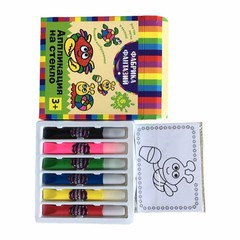
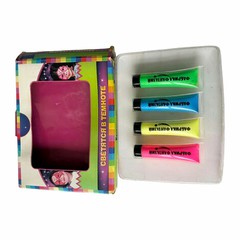
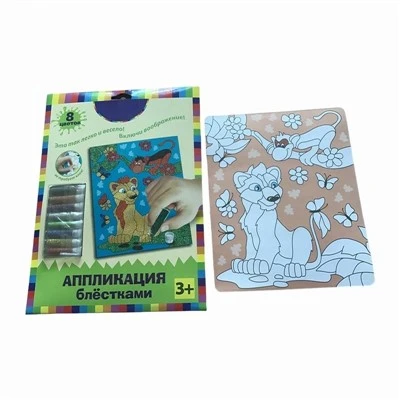
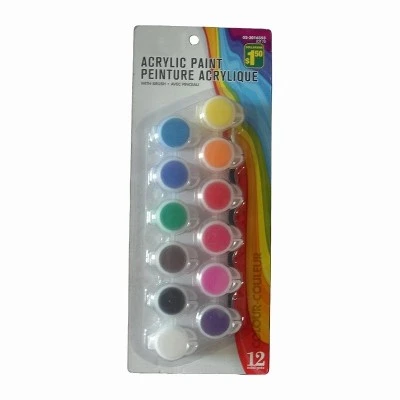
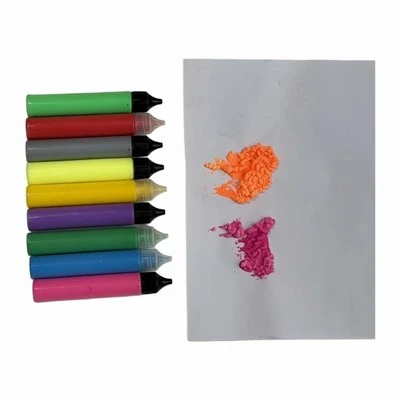
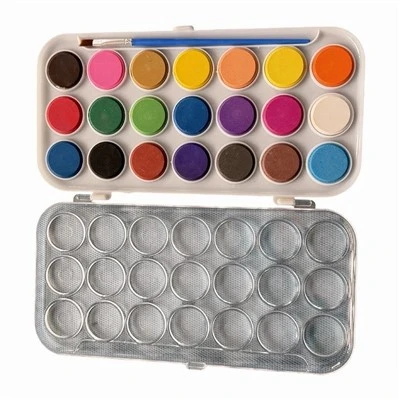
As a supplier of digital painting pigments, we offer a wide range of products to meet the needs of book illustrators. Our 12 - color Acrylic Paints provide a rich and vibrant color palette, allowing artists to create stunning illustrations. Our Advertising Paint is perfect for creating bold and eye - catching designs, while our Finger Painting Paints offer a fun and creative way to add texture and expression to illustrations.
Conclusion
In conclusion, digital painting pigments can be a valuable tool for book illustration, offering versatility, precision, and cost - effectiveness. However, they also have some limitations, such as the lack of tangibility and the learning curve. When considering using digital painting pigments for book illustration, artists should carefully weigh the advantages and disadvantages, and consider the practical requirements of the project.
If you are a book illustrator or a publisher interested in using our digital painting pigments, we invite you to contact us to discuss your specific needs. We are committed to providing high - quality products and excellent customer service, and we look forward to working with you to bring your creative visions to life.
References
- Smith, J. (2020). Digital Painting Techniques for Illustrators. New York: Art Publishing House.
- Johnson, A. (2019). The Future of Book Illustration: Digital vs. Traditional. London: Creative Arts Press.
- Brown, K. (2018). Mastering Digital Pigments in Art. Los Angeles: ArtTech Publishers.