









As a paint supplier, I've witnessed firsthand the widespread use of paint in various industries and settings. From residential homes to commercial buildings, paint plays a crucial role in enhancing aesthetics, protecting surfaces, and providing functionality. However, it's important to recognize that paint can also have significant environmental impacts, from production to disposal. In this blog post, I'll explore the environmental implications of paint and discuss ways to minimize its negative effects.
Environmental Impacts of Paint Production
The production of paint involves a complex process that requires the use of various raw materials, energy, and chemicals. These processes can have several environmental impacts, including:
- Resource Depletion: Many of the raw materials used in paint production, such as petroleum, natural gas, and minerals, are finite resources. Extracting and processing these materials can lead to habitat destruction, soil erosion, and water pollution.
- Energy Consumption: The production of paint requires a significant amount of energy, primarily in the form of electricity and fossil fuels. This energy consumption contributes to greenhouse gas emissions and climate change.
- Chemical Pollution: Paint production involves the use of various chemicals, including solvents, pigments, and additives. These chemicals can be toxic and harmful to human health and the environment. During production, these chemicals can be released into the air, water, and soil, leading to pollution and environmental degradation.
Environmental Impacts of Paint Use
Once paint is applied, it can continue to have environmental impacts throughout its lifespan. Some of the key environmental implications of paint use include:
- Volatile Organic Compounds (VOCs): Many paints contain VOCs, which are chemicals that evaporate into the air at room temperature. VOCs can contribute to air pollution, smog formation, and respiratory problems. They can also have long-term health effects, including cancer and neurological damage.
- Waste Generation: When paint is applied, there is often excess paint that is left over. This excess paint can be difficult to dispose of properly and can contribute to waste generation. Additionally, paint cans and other packaging materials can also contribute to waste.
- Surface Contamination: Over time, paint can deteriorate and release chemicals into the environment. This can lead to surface contamination, which can be harmful to human health and the environment.
Environmental Impacts of Paint Disposal
Proper disposal of paint is essential to minimize its environmental impacts. However, paint disposal can be challenging, as it often contains hazardous chemicals that require special handling. Some of the key environmental implications of paint disposal include:
- Landfill Pollution: When paint is disposed of in landfills, it can leach into the soil and groundwater, leading to pollution. Additionally, paint cans and other packaging materials can take a long time to decompose, contributing to landfill waste.
- Incineration Emissions: Incineration is another common method of paint disposal. However, incineration can release harmful chemicals into the air, including dioxins, furans, and heavy metals. These chemicals can have serious health effects on humans and the environment.
- Recycling Challenges: While some types of paint can be recycled, the process can be complex and expensive. Additionally, not all recycling facilities are equipped to handle paint, which can make it difficult to recycle paint properly.
Minimizing the Environmental Impacts of Paint
As a paint supplier, I'm committed to minimizing the environmental impacts of paint. Here are some ways that we can all take to reduce the environmental footprint of paint:
- Choose Low-VOC Paints: Low-VOC paints contain fewer VOCs than traditional paints, which can help to reduce air pollution and improve indoor air quality. Look for paints that are labeled as "low-VOC" or "zero-VOC."
- Use Water-Based Paints: Water-based paints are a more environmentally friendly alternative to solvent-based paints. They contain fewer VOCs and are easier to clean up.
- Buy in Bulk: Buying paint in bulk can help to reduce packaging waste and save money. Additionally, some paint suppliers offer refillable containers, which can further reduce waste.
- Properly Dispose of Paint: When disposing of paint, it's important to follow local regulations and guidelines. Many communities offer paint recycling programs, which can help to reduce the environmental impact of paint disposal.
- Choose Sustainable Paint Products: Some paint manufacturers offer sustainable paint products that are made from renewable resources and have a lower environmental impact. Look for paints that are certified by organizations such as the Forest Stewardship Council (FSC) or the Green Seal.
Our Sustainable Paint Products
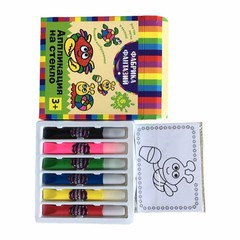
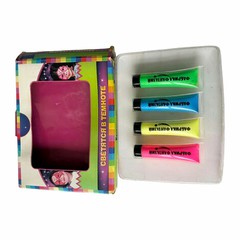
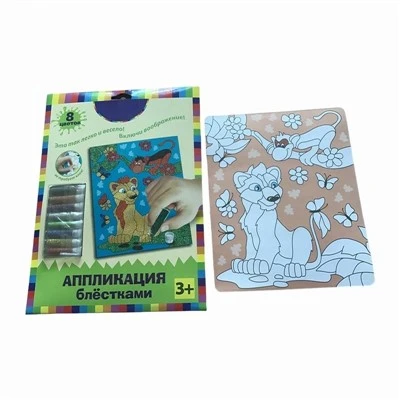
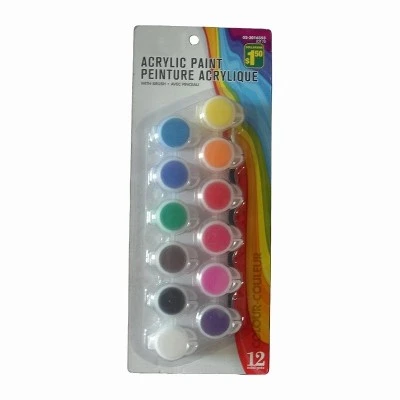
At our company, we offer a range of sustainable paint products that are designed to minimize the environmental impact of paint. Our Thermochromic Paint Pigment is a unique product that changes color based on temperature, providing a fun and innovative way to add color to your surfaces. Our Acrylic Paint for Outdoor Use is a high-quality paint that is designed to withstand the elements and provide long-lasting protection. And our Good Quality Acrylic Paint is a versatile paint that can be used on a variety of surfaces, including wood, metal, and plastic.


Contact Us for Paint Procurement
If you're interested in learning more about our sustainable paint products or have any questions about paint procurement, please don't hesitate to contact us. Our team of experts is available to help you choose the right paint for your needs and provide you with the information and support you need to make an informed decision. We look forward to working with you to create a more sustainable future.
References
- American Chemistry Council. (n.d.). Paint and Coatings. Retrieved from https://www.americanchemistry.com/paint-and-coatings
- Environmental Protection Agency. (n.d.). Paint. Retrieved from https://www.epa.gov/hw/household-hazardous-waste#paint
- Green Seal. (n.d.). Certified Paint Products. Retrieved from https://www.greenseal.org/certified-products/paint
- Forest Stewardship Council. (n.d.). FSC Certified Products. Retrieved from https://us.fsc.org/en-us/certified-products