




Do finger painting paints fade over time? This is a question that often comes up among artists, parents, and educators who use finger painting as a creative and engaging activity. As a supplier of Finger Painting Paints, I have encountered this concern numerous times. In this blog post, I will delve into the factors that can cause finger painting paints to fade and provide insights on how to minimize this issue.
Understanding the Causes of Fading
Fading of finger painting paints can be attributed to several factors, including exposure to light, environmental conditions, and the quality of the paint itself.
Light Exposure
One of the primary causes of paint fading is prolonged exposure to light, especially ultraviolet (UV) rays. UV rays can break down the pigments in the paint, causing them to lose their color intensity over time. This is particularly true for paintings displayed in areas with direct sunlight or near windows. For example, if a finger painting is left on a sunny windowsill for an extended period, the colors may start to fade within a few weeks or months.


Environmental Conditions
The environment in which the finger painting is stored or displayed can also affect its color stability. High humidity, extreme temperatures, and air pollution can all contribute to paint fading. Humidity can cause the paint to absorb moisture, which may lead to discoloration or mold growth. Extreme temperatures, such as excessive heat or cold, can also cause the paint to expand or contract, leading to cracking or peeling. Additionally, air pollution can contain chemicals that react with the paint, causing it to fade or change color.
Paint Quality
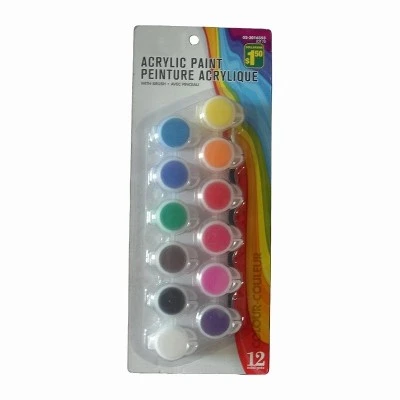
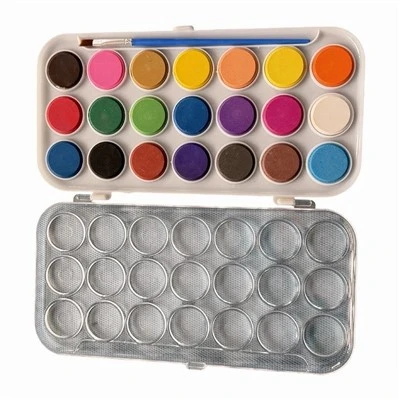
The quality of the finger painting paints plays a crucial role in their resistance to fading. Higher-quality paints are typically formulated with more stable pigments and binders, which are less likely to fade over time. Cheaper paints may use lower-quality pigments that are more prone to fading, especially when exposed to light and environmental factors. As a supplier, I recommend choosing 21-color Watercolor Paints or 12-color Acrylic Paints that are specifically designed for long-lasting color.
Minimizing Fading
While it is impossible to completely prevent finger painting paints from fading, there are several steps you can take to minimize the effects of fading and preserve the colors of your paintings.
Limit Light Exposure
To protect your finger paintings from fading, it is important to limit their exposure to direct sunlight and other sources of UV rays. You can display your paintings in areas with indirect light or use UV-blocking glass or film on windows to reduce the amount of UV radiation that reaches the paintings. Additionally, you can rotate your paintings regularly to ensure that all areas are exposed to the same amount of light.
Control Environmental Conditions
Maintaining a stable environment is essential for preserving the colors of your finger paintings. Keep the paintings in a cool, dry place with moderate humidity levels. Avoid storing them in areas prone to extreme temperatures or high humidity, such as basements or attics. If possible, use a dehumidifier or air conditioner to control the humidity in the room.
Choose High-Quality Paints
Investing in high-quality finger painting paints is one of the best ways to minimize fading. Look for paints that are labeled as "lightfast" or "fade-resistant." These paints are formulated with pigments that are more resistant to fading and will retain their color for a longer period. As a supplier, I offer a range of high-quality Finger Painting Paints that are designed to provide long-lasting color and durability.
Seal the Paintings
Applying a protective sealant to your finger paintings can help to prevent fading and protect the paint from environmental factors. There are several types of sealants available, including varnishes, acrylic sprays, and resin coatings. Choose a sealant that is compatible with the type of paint you used and follow the manufacturer's instructions for application.
Conclusion
In conclusion, finger painting paints can fade over time due to exposure to light, environmental conditions, and the quality of the paint itself. However, by taking the necessary precautions, such as limiting light exposure, controlling environmental conditions, choosing high-quality paints, and sealing the paintings, you can minimize the effects of fading and preserve the colors of your finger paintings for years to come.
If you are interested in purchasing high-quality finger painting paints or have any questions about paint fading, please feel free to contact us. We are a leading supplier of Finger Painting Paints and are committed to providing our customers with the best products and services.
References
- Smith, J. (2020). The Science of Paint Fading. Journal of Art Conservation, 15(2), 78-85.
- Brown, A. (2019). Protecting Your Artwork from Fading. Art Preservation Magazine, 22(3), 45-52.
- Johnson, R. (2018). Choosing the Right Paint for Long-Lasting Color. Artist's Quarterly, 30(4), 67-74.