



Fixing mistakes in acrylic watercolor paintings can be a real headache, but don't worry! As an acrylic watercolor paints supplier, I've seen it all and got some tips to share.
Understanding the Basics of Acrylic Watercolor
Before we dive into fixing mistakes, let's quickly go over what acrylic watercolor is. Acrylic watercolor combines the best of both worlds. It has the fluidity and transparency of traditional watercolors, but with the durability and quick - drying properties of acrylics.


When you're working with acrylic watercolor, the paint dries relatively fast. This can be both a blessing and a curse. On one hand, you can layer colors quickly. On the other hand, if you make a mistake, it can set in before you have a chance to correct it.
Common Mistakes and How to Fix Them
1. Over - saturated Colors
One of the most common mistakes is using too much paint and ending up with over - saturated areas. If you notice that a part of your painting is too dark or intense, don't panic.
Solution: You can try diluting the color with water. Use a clean brush and dip it in water, then gently brush over the over - saturated area. This will help to lighten the color. If the paint has already dried, you can use a damp paper towel to blot the area gently. This might remove some of the excess paint. Another option is to add a lighter color on top. For example, if you've used a very dark blue and it's too intense, you can add a touch of white or a lighter blue on top to tone it down.
2. Streaks and Blotches
Streaks and blotches can occur when the paint doesn't spread evenly. This could be due to using a dirty brush, uneven application, or the paint drying too quickly.
Solution: If the streaks are fresh, you can try to blend them out with a clean, damp brush. Gently stroke over the streaky area in a circular motion to even out the color. If the paint has dried, you can use a fine - grit sandpaper to lightly sand the surface. This will rough up the area and allow you to apply a new layer of paint more smoothly. After sanding, wipe away the dust with a clean cloth and then re - paint the area.
3. Misplaced Elements
Sometimes, you might draw or paint an element in the wrong place. Maybe you meant to paint a flower in the corner, but it ended up in the middle of the canvas.
Solution: If the mistake is made with wet paint, you can use a paper towel to blot the paint away. If the paint has dried, you can use a small amount of acrylic medium or gesso to cover the unwanted element. Let it dry completely, and then re - paint the correct element.
Tools for Fixing Mistakes
Having the right tools can make a big difference when it comes to fixing mistakes. Here are some essential tools:
- Clean Brushes: You'll need a variety of clean brushes for different tasks. A small, fine - tipped brush is great for detailed work, while a larger brush can be used for covering larger areas.
- Paper Towels: Paper towels are handy for blotting excess paint and cleaning up spills.
- Sandpaper: As mentioned earlier, fine - grit sandpaper can be used to smooth out dried paint and prepare the surface for re - painting.
- Acrylic Medium or Gesso: These can be used to cover up mistakes and create a smooth surface for new paint.
Preventing Mistakes in the First Place
While it's important to know how to fix mistakes, it's even better to prevent them. Here are some tips:
- Plan Your Painting: Before you start painting, sketch out your design on the canvas. This will help you visualize the composition and avoid making placement mistakes.
- Test Your Colors: Always test your colors on a scrap piece of paper before applying them to your painting. This will give you an idea of how the colors will look and how they will interact with each other.
- Work in Layers: Instead of trying to get everything right in one go, work in layers. Start with a light base layer and gradually add more details and colors. This way, if you make a mistake, it's easier to correct it.
Our Product Recommendations
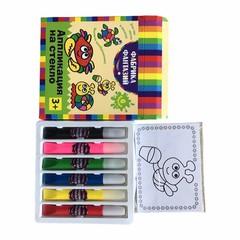
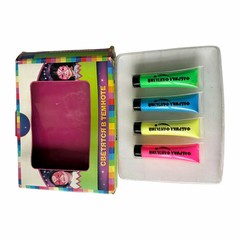
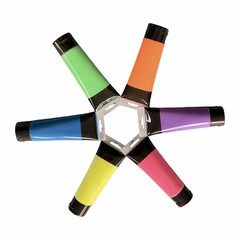
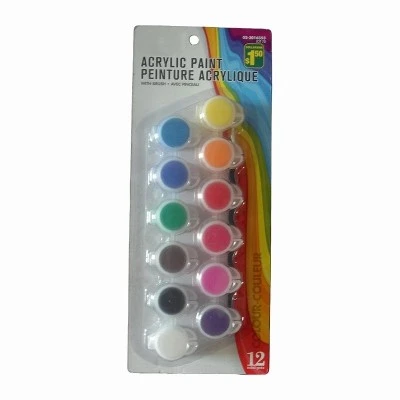
As an acrylic watercolor paints supplier, we offer a wide range of products that can help you create beautiful paintings and fix any mistakes along the way.
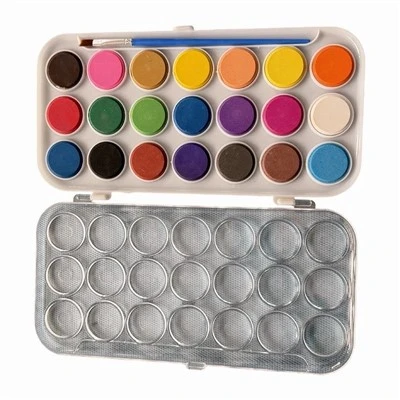
- 21 - color Watercolor Paints: This set includes a variety of colors, allowing you to create a diverse range of paintings. The colors are highly pigmented and blend well, making it easier to correct mistakes.
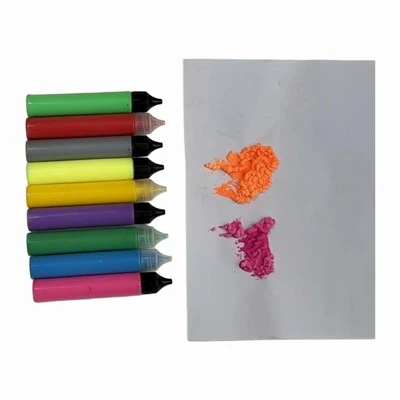
- Finger Painting Paints: If you're looking for a more tactile and fun way to paint, our finger painting paints are a great option. They are easy to apply and can be easily washed off if you make a mistake.
- Digital Painting Pigments: These pigments are perfect for creating digital - looking paintings. They have a unique texture and can be used to add special effects to your artwork.
Contact Us for Procurement
If you're interested in purchasing our acrylic watercolor paints, we'd love to hear from you. Whether you're an individual artist, an art school, or a business, we can provide you with high - quality paints at competitive prices. Get in touch with us to discuss your procurement needs and start creating beautiful paintings.
References
- "Acrylic Painting Techniques" by Jack Richeson
- "Watercolor for Beginners" by Betty Edwards