




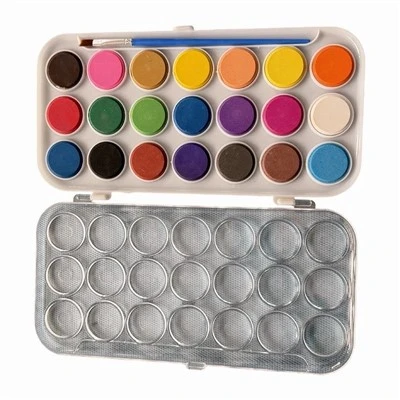
Using semi moist watercolor to create a cool color palette is an exciting and rewarding artistic endeavor. As a supplier of Semi Moist Watercolor, I have witnessed firsthand the unique qualities and creative possibilities that these paints offer. In this blog post, I will share some tips and techniques on how to use semi moist watercolor to achieve stunning color palettes.
Understanding Semi Moist Watercolor
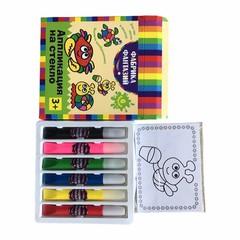
Semi moist watercolor is a type of watercolor paint that has a consistency between traditional dry watercolor cakes and liquid watercolor. It comes in a semi - solid form, which allows for easy handling and application. One of the key advantages of semi moist watercolor is its ability to hold moisture, which gives artists more time to blend and manipulate colors on the paper.
Choosing the Right Paper
The choice of paper is crucial when working with semi moist watercolor. A high - quality watercolor paper with good absorbency is recommended. Papers with a rough or cold - press texture can add interesting textural effects to your paintings. The paper should be able to withstand multiple layers of paint without warping or buckling.
Preparing Your Workspace
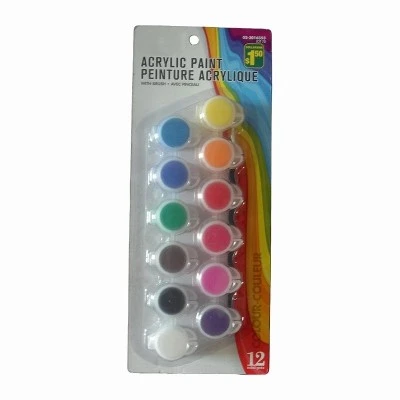
Before you start painting, it's important to set up a clean and organized workspace. Gather all your materials, including your semi moist watercolor set, brushes, water containers, and paper. Having everything within reach will make the painting process more efficient.
Creating a Basic Color Palette
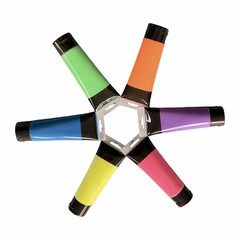
To create a cool color palette, you'll want to focus on colors such as blues, greens, and purples. Start by squeezing a small amount of each color onto your palette. You can mix primary colors to create secondary and tertiary colors. For example, mixing blue and yellow will give you green, and mixing blue and red will give you purple.
- Blue - Based Palette: Start with a base of ultramarine blue. This deep, rich blue can be mixed with white to create lighter shades of blue, or with a touch of green to create a teal color. You can also add a bit of purple to create a more complex and interesting blue - based palette.
- Green - Based Palette: Begin with a bright green like sap green. Mix it with yellow to create lighter, more vibrant greens, or with blue to create darker, more muted greens. Adding a touch of brown can give the green a more earthy tone.
- Purple - Based Palette: Use a deep purple like quinacridone violet as your base. Mix it with white to create lavender shades, or with blue to create a more blue - purple hue. You can also add a bit of red to make the purple warmer.
Blending Techniques
One of the great things about semi moist watercolor is its blendability. You can use several techniques to blend colors:
- Wet - on - Wet Blending: Wet your paper with clean water first. Then, apply different colors next to each other on the wet surface. The colors will naturally blend together as they spread on the paper. This technique is great for creating soft, gradient effects.
- Dry - on - Wet Blending: Apply a wet layer of paint on the paper. Then, use a dry brush to pick up a different color and gently blend it into the wet paint. This can create more defined edges and interesting texture.
- Lifting and Blending: If you've applied too much paint or want to lighten a color, you can use a clean, dry brush or a paper towel to lift some of the paint off the paper. You can then blend the remaining paint with other colors.
Layering Colors
Layering is an important technique for creating depth and complexity in your color palette. Start with a light base layer of color and let it dry completely. Then, apply a second layer of a different color on top. You can continue layering colors to build up the intensity and richness of your palette. When layering, make sure to use complementary colors to create contrast. For example, if you have a blue base layer, you can layer a warm orange or yellow on top to make the blue pop.
Experimenting with Other Products
As a supplier, I also offer other products that can be used in combination with semi moist watercolor to create even more interesting color palettes. For instance, Student Watercolor Cakes can be used to add additional colors and textures. These cakes are a great option for beginners or for adding a different type of watercolor element to your work.


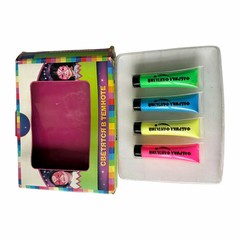
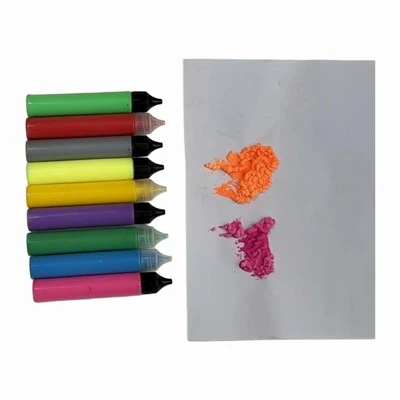
Another interesting product is Fluorescent Acrylic Paint Glow in The Dark. You can use this paint sparingly in combination with semi moist watercolor to create a unique, eye - catching effect. Just a small amount of the fluorescent paint can add a pop of color that glows in the dark, adding an extra dimension to your artwork.
Tips for Maintaining Your Color Palette
To keep your color palette looking fresh and vibrant, it's important to take proper care of your semi moist watercolor. Keep the paint containers tightly closed when not in use to prevent them from drying out. If the paint starts to dry, you can add a few drops of water to re - moisten it.
Conclusion
Using semi moist watercolor to create a cool color palette is a wonderful way to express your creativity. Whether you're a beginner or an experienced artist, the unique properties of semi moist watercolor offer endless possibilities for creating beautiful and unique artworks. By understanding the characteristics of the paint, choosing the right paper, and using various blending and layering techniques, you can create color palettes that are both visually appealing and emotionally evocative.
If you're interested in purchasing our Semi Moist Watercolor or any of our other products, we welcome you to reach out to us for a procurement discussion. Our team is ready to assist you in finding the perfect products for your artistic needs.
References
- Smith, J. (2020). The Art of Watercolor Painting. Art Press.
- Brown, A. (2019). Color Theory for Artists. Creative Arts Publishing.