




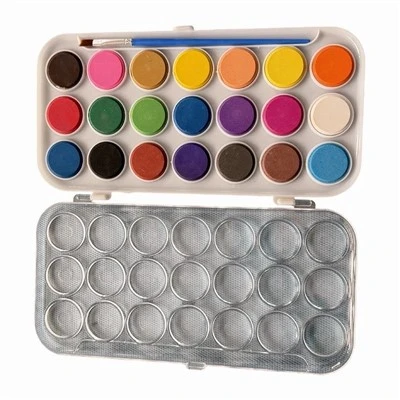
Blending colors with Student Watercolor Cakes is an exciting and rewarding aspect of watercolor painting. As a supplier of Student Watercolor Cakes, I've witnessed firsthand the joy and creativity that these products can inspire in artists of all levels. In this blog, I'll share some tips and techniques on how to blend colors effectively using our Student Watercolor Cakes.
Understanding the Basics of Color Blending
Before we dive into the techniques, it's important to understand the basics of color blending. Color blending is the process of combining two or more colors to create a new color. In watercolor painting, we can blend colors in several ways, including on the palette, on the paper, or a combination of both.
The primary colors in watercolor are red, yellow, and blue. By mixing these primary colors, we can create secondary colors such as orange (red + yellow), green (yellow + blue), and purple (red + blue). Tertiary colors are created by mixing a primary color with a secondary color.


Preparing Your Materials
To blend colors with Student Watercolor Cakes, you'll need a few essential materials:
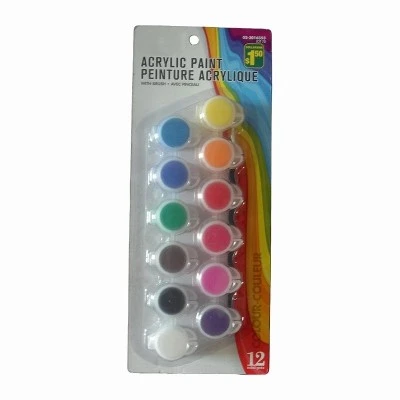
- Student Watercolor Cakes: Our Student Watercolor Cakes come in a variety of colors, making it easy to create a wide range of color combinations.
- Palette: A palette is used to mix your colors. You can use a traditional ceramic palette or a disposable palette pad.
- Brushes: Choose brushes of different sizes and shapes to suit your painting needs. A round brush is great for detailed work, while a flat brush is ideal for covering large areas.
- Water: You'll need a container of clean water to rinse your brushes and dilute your colors.
- Paper: Select a high-quality watercolor paper that can withstand multiple layers of paint.
Blending Colors on the Palette
Blending colors on the palette is a great way to create a consistent color mixture before applying it to your paper. Here's how to do it:
- Select Your Colors: Choose two or more colors from your Student Watercolor Cakes that you want to blend. For example, if you want to create a warm orange, you might choose red and yellow.
- Moisten Your Brush: Dip your brush in water and shake off any excess. Then, gently touch the tip of your brush to the color cake to pick up a small amount of paint.
- Transfer the Paint to the Palette: Place the paint on your palette and add a small amount of water. Use your brush to mix the paint and water together until you achieve the desired consistency.
- Blend the Colors: If you're using two colors, place one color on one side of the palette and the other color on the opposite side. Then, use your brush to mix the two colors together in the middle of the palette. Gradually blend the colors until you achieve a smooth, even mixture.
- Test the Color: Before applying the blended color to your paper, test it on a scrap piece of watercolor paper. This will allow you to see how the color looks and make any adjustments if necessary.
Blending Colors on the Paper
Blending colors on the paper is a more spontaneous and organic way of creating color mixtures. Here's how to do it:
- Apply the First Color: Use your brush to apply a wash of the first color to your paper. Make sure the paper is damp but not soaking wet.
- Apply the Second Color: While the first color is still wet, use your brush to apply the second color next to the first color. The two colors will naturally blend together on the paper.
- Blend the Colors: Use a clean, damp brush to gently blend the two colors together. You can do this by brushing back and forth between the two colors or by using a circular motion.
- Create Gradients: To create a gradient effect, start with a light color at one end of the paper and gradually add more of the darker color as you move towards the other end. Use your brush to blend the colors together to create a smooth transition.
Tips for Successful Color Blending
- Start with Small Amounts of Paint: When blending colors, it's easier to add more paint than to remove it. Start with small amounts of paint and gradually add more as needed.
- Use a Clean Brush: Make sure your brush is clean before you start blending colors. This will prevent the colors from mixing together unintentionally.
- Work Quickly: Watercolor dries quickly, so it's important to work quickly when blending colors on the paper. If the paint dries before you have a chance to blend it, you may end up with a harsh line between the colors.
- Experiment with Different Colors: Don't be afraid to experiment with different color combinations. You may be surprised at the beautiful colors you can create by mixing unexpected colors together.
- Practice, Practice, Practice: Color blending takes practice. The more you practice, the better you'll become at creating smooth, even color mixtures.
Special Effects with Shimmer Solid Watercolor
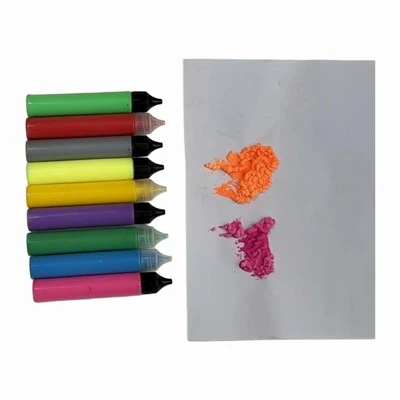
In addition to our Student Watercolor Cakes, we also offer Shimmer Solid Watercolor. These watercolors contain metallic particles that add a beautiful shimmer and sparkle to your paintings.
To create special effects with Shimmer Solid Watercolor, you can blend it with other colors or use it on its own. Here are some ideas:
- Create a Shimmering Background: Apply a wash of Shimmer Solid Watercolor to your paper to create a beautiful, shimmering background. You can use a single color or blend multiple colors together.
- Add Accents: Use Shimmer Solid Watercolor to add accents to your paintings. For example, you can use it to highlight the edges of a flower or the reflection of light on a lake.
- Create a Metallic Effect: Mix Shimmer Solid Watercolor with a regular watercolor to create a metallic effect. This is a great way to add depth and dimension to your paintings.
Conclusion
Blending colors with Student Watercolor Cakes is a fun and creative way to express yourself through art. By understanding the basics of color blending and using the tips and techniques outlined in this blog, you'll be able to create beautiful, vibrant paintings that showcase your unique style.
If you're interested in purchasing our Student Watercolor Cakes or Shimmer Solid Watercolor, please don't hesitate to contact us for more information. We'd be happy to discuss your specific needs and help you find the perfect products for your art projects.
References
- Smith, J. (2020). The Art of Watercolor Blending. Artistic Press.
- Johnson, A. (2019). Watercolor Techniques for Beginners. Creative Arts Publishing.